Okay, so, Ancient Egypt’s sacred symbolism. Still popping up today? For real. Forget dusty museums. We’re talking the real deal here, ancient power moves, spiritual blueprints that basically shaped entire civilizations. A true deep dive. It’s not just cool pyramids either. It’s a persistent vibe. A fundamental structure you’ll recognize everywhere. Even now. When you least expect it.
Karnak Temple: Rites, ‘Trinity,’ and Three Stages
Karnak Temple. Not just big. It’s the biggest temple complex anywhere. Huge proof of what people believed. I mean, we’re talking over two square kilometers. The Nile actually flowed right up to its edge back then, making a fancy canal for pharaohs and everyone else. But purification? Super important here.
Walk into Karnak, and you’re on a symbolic journey. You go through different stages. It’s like an ancient ‘Trinity’ thing, okay? A three-part sacred process. First up, the Avenue of Sphinxes. Lots of ram-headed statues greeting you. Kinda a big, ceremonial hello.
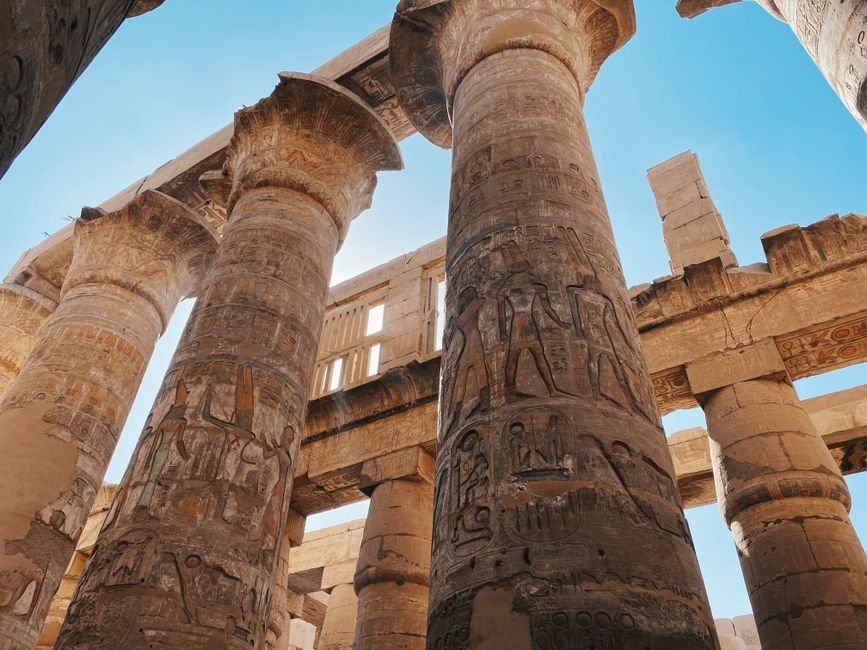
Then, way deep inside, giant columns reach for the sky. They lead to special rooms covered in hieroglyphs. These were the schools, basically. Where initiated students got into the old faith’s secrets. And another thing: “the holy of holies.” The actual heart of it all. Only high priests and pharaohs got in there. Ancient stories say they could talk directly to gods, like Amun, through the statues. Wild stuff.
From Egypt to Everywhere: Rituals That Stick
Okay, the deeper you dig into these ancient rites, the more you see their shadows, right? Stretching for thousands of years. Circumambulation, for example. At Karnak, people would clean up in a sacred lake, fed by the Nile. Pure water. Good stuff for cleaning, universally. Then they’d walk around a huge dung beetle statue. Seven times. Counter-clockwise. Believing it would make wishes come true. Weird, maybe.
Familiar? This main ritual, walking around something sacred, seriously echoes in spiritual places globally. Includes that whole scene around the Kaaba. Also, Old Egyptian prayer postures. Kneeling. Hands up. Crossing their chest. Finally, flat on the ground. You can literally trace them forward. These aren’t just one-off things; they’re basic, really old movements that show a fundamental spiritual language. Wild to think about.
Horus & Jesus? Similar Stories
Egypt’s legends? Seriously epic. Think about Horus. Falcon-headed protector. His myth? Thousands of years old. A divine birth too. His mom, Isis, got pregnant magically, no dad involved. And then his evil uncle, Set, hunted him down. But he grew up. He got revenge for his father, Osiris, and brought back order as a kind of savior king.
Hold on. Hear an echo? Divine birth, a king wanting to kill a baby, a savior who fights craziness and brings light. Yeah, a lot of experts point out the straight-up similar stories between Horus and Jesus Christ. Not a copy, they say. More like a recurring theme. Hope. Sacrifice. Redemption. It just hits home across cultures, across all time. And another thing: these kinds of stories? Maybe they’re just too good not to retell.
Hatshepsut: God-Backed Rule
Okay, power in ancient Egypt. Not just passed down. It was chosen by gods. Pharaohs? basically kids or mirrors of the gods themselves. So, when Hatshepsut – a seriously tough lady – decided to run things in a guy’s world? She didn’t just say, “I’m pharaoh now!” No way. She got her priests to cook up a divine birth story.
She said the god Amun himself visited her mom. Boom. Hatshepsut, conceived. Not just some crazy old story. Pure political strategy. Because by saying she came straight from a god, Hatshepsut made her rule utterly legit. Shut up any complaints, fast. This whole mixing religion with power plays? It’s a super strong playbook. And it keeps working. Leaders still use it. Throughout history.
Obelisks: A Global Power Flex
Seen an obelisk in a big city? Like, a major world capital? Those super tall, pointy stones. They’re way more than just old buildings. They started in Egypt, strong symbols of divine authority and how linked the pharaohs were to the sun god, Ra. And their whole global adventure? Seriously, it tells an amazing story.
When Egypt’s power started to fade, other big empires just grabbed these monuments. Straight up. Rome, Istanbul, Big Ben in London (yeah, its name’s even linked to “benben,” that tip-top part of obelisks), and Washington D.C. They all got ’em. This wasn’t just stealing cool art. Nope. It was a deliberate shift of power symbolism. The new bosses were essentially saying, “We’ve got that pharaoh-level lineage now. The divine right. That’s ours.” Crazy visual of what powerful people used to believe, moving through time and space.
Egypt Trip? Tour Hacks & Market Fights
Okay, planning Egypt? You need good logistics. Seriously. For a real feel, hitting up lots of cities, especially if you wanna cruise the Nile? A tour? Honestly, it’s the best bet. They nail all the transfers. Plus, handle your rooms. You just chill. Soak up history. So, tours are smart.
But be warned: these tours? Super fast. Early mornings. Hustle from one amazing place to the next. Not much time for endless photos or just chilling to take it all in. And I mean fast. Also, those local markets? Get ready for some honest-to-goodness bargaining. If someone says 100 L.E.? Start at 30. You’ll usually land around 50. Different culture, man.
Focus on tours that hit Cairo and Luxor. Because that’s where iconic spots like Karnak are. No brainer.
Power Games: Same Old Story
Look, this isn’t just ancient history. It’s a blueprint, okay? From those pharaohs claiming divine right, to obelisks in today’s capitals. History always proves power never really goes away. It just swaps hands. But usually, folks keep the same basic control setups.
High-up people? The elites? They often claim some kind of god lineage. Always using religious stories and symbols to make their rule valid. To kinda “herd the sheep,” as some folks put it. Technology changes, sure. But the basic rules of power, secrets, and control? Wildly consistent. The cycles echo. And because you get Egypt’s ancient strategies? It might just give you a whole new way to look at our world. Food for thought.
Frequently Asked Questions
“Holy of Holies” at Karnak: What’s the Deal?
The “holy of holies”? That was Karnak Temple’s deep, super sacred core room. Only the pharaoh and the main priest got in there. People believed you could actually talk directly to gods, like Amun, through statues in that spot. Intense.
Why Did Egyptians Walk Around Stuff for Rituals?
The walk-around ritual (seriously, walking around something sacred) was all about cleaning yourself up. Spiritual journey. At Karnak, people would clean off in a holy lake. Then walk around a dung beetle statue. Seven times. Counter-clockwise. For good luck or wishes, they hoped. Simple, powerful.
Why’d Pharaohs, like Hatshepsut, Say Gods Were Their Dad?
Old Egypt was run by men, right? So, telling everyone a god was your parent? That handed pharaohs total power. By saying they came straight from a god, rulers like Hatshepsut could bust through normal social rules and shut down political enemies. Made their power super strong by saying god was on their side. Solid strategy.