ABS & Car Safety: Get Real About California Road Trips
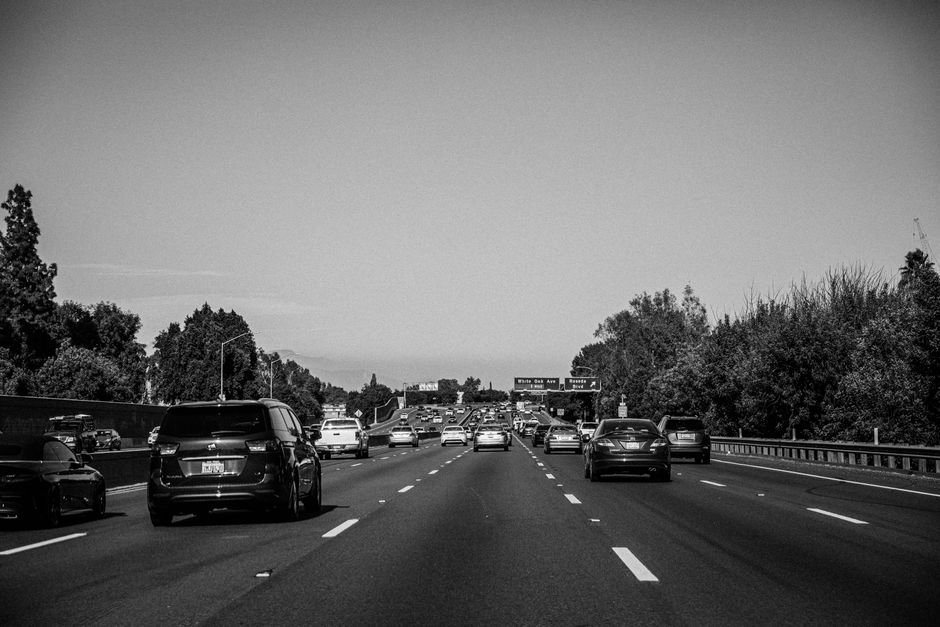
Ever had that second your stomach lurches on a tight PCH curve? Or grinding to a halt on a seriously snarled Valley freeway? You hit the brakes hard. And your car just… stops. No crazy skid. No sliding around like a hockey puck. That’s not some magic trick, it’s smart engineering. And it’s huge for ultimate California road trip safety. This is ABS, a system so vital you barely think about it – until you really, really need it. But what even is Anti-lock Braking System? And why bother knowing about it for California’s wild mix of roads, from slick coastal stretches to those insane mountain passes?
ABS: Know Your Ride, Know California Roads
Picture this: cruising along a sweet coastal spot, maybe near Big Sur. Traffic suddenly jams. Your first move? Stomp on that brake pedal. In an older ride, no ABS? That means locked wheels. For sure on wet pavement. Wheels lock up. Car loses grip. You lose steering. Your vehicle just slides, usually straight ahead, no matter how hard you turn. Pure nightmare stuff. ABS fixes that.
ABS keeps wheels spinning. Even when you’re slamming on the brakes. That tiny, continuous roll? Your absolute lifeline. Without it? You’re just a passenger in a giant, sliding block. With it? You can actually steer around whatever popped up. It’s an absolute game-changer for staying safe on any California adventure. Huge control. Dodging city potholes or suddenly stopping on a hella busy interstate? Saved by ABS.
How Safe Stops Actually Happen
So, how does a car stop dead without the wheels seizing up? It’s a super-fast conversation. Between tiny sensors and your car’s electronic smarts. Each wheel has a little sensor. Always watching its spin.
Hit the brakes hard. One wheel slows down like crazy, or even stops, but the car’s still moving. The system gets it: “Uh oh, that wheel’s about to lock!” Instantly, a signal zips to the ABS Electronic Control Unit (ECU). That’s your car’s super-fast brain. And another thing: What does this brain do? It doesn’t just let go of the brake entirely. Instead, the ECU uses valves. Hydraulic ones. They rapidly release and reapply brake pressure. To that one wheel. Pump, pump, pump! Thousands of times faster than any human. This quick action keeps the wheel from fully locking. It just keeps on subtly rotating.
Braking When It Matters Most
You’ve probably felt it: that weird pulse under your foot. Or a grinding sound when ABS kicks in during a panic stop. That pedal vibrating? A strange noise? Totally normal. But don’t mess with it. It’s not your car breaking down; it’s the system working. Those valves doing their super-fast pressure dance.
Lots of drivers get freaked out. And then they instinctively lift their foot off the brake. Don’t do that. The main thing? Keep firm, steady pressure on that brake pedal. Let ABS work it all out. Because it’s built to keep you headed the right way. While stopping as quickly as possible. Seriously, trust the tech. It’s got your back.
Beyond ABS: Traction & Stability Basics
ABS isn’t some lone hero. It’s the base for a bunch of other vital safety features. Also, take Traction Control (TCS) or ASR. This system uses those identical wheel sensors. To stop your wheels from spinning out when you hit the gas. Wheel spins too fast on a wet California road? TCS jumps in. Cuts engine power. Or dabs the brake. Just to that wheel. Brings back the grip.
And then there’s Electronic Stability Control (ESC) or ESP. Even more advanced. It uses ABS info. Plus other sensors. To watch yaw, which is how your car spins around its middle. And where your steering wheel is pointed. This means it can spot if your ride is about to go sideways in a quick turn. Or an emergency swerve. That dreaded oversteer or understeer. Car starts to lose its line? ESC hits the brakes. Individual wheels. Corrects your path. Gets you straight again. Like having a silent co-pilot. Making tiny tweaks. Super important for mountain driving.
Car Care for California Trips
Now, these fancy systems are truly awesome. But remember, they’re still just systems. They don’t mean you can skip basic care. Even with the best tech around, the easy stuff still matters. So, before you hit the road for any long California road trip, check your brakes, tires, and suspension. Make sure they’re all good to go. Worn tires won’t grab, and bad brakes won’t stop. No matter what ABS is trying to do. Quick checks? Not just a good idea. They save lives.
Tech Aids, Not Superpowers
So, let’s be real: ABS and its family? Incredible helpers. They boost your ability to control the car big time. In tricky spots. But they ain’t superpowers. Physics still applies. Even here in sunny California. Too fast for a hairpin turn? Driving on pure ice? No system can beat Mother Nature. This tech is for help. Not a free pass for reckless driving. Always drive smart. Match your speed to whatever the road throws at you. And know this: the engineering is amazing, but your careful hands on the wheel are still the best safety tool there is.
Quick HeadScratchers
What’s that brake pedal thump during braking?
That thumping feeling or grinding noise? Totally normal! It’s your ABS system. Fast release. Quick reapply. To each wheel. Stops them from locking up. Lets you still steer.
Should I lift my foot when ABS activates?
No way. Do not let go of that brake pedal. When ABS starts, just keep your foot down firm. Consistent pressure. The system does its best work when you stay on the brake. It handles the clever bits. Stops you proper.
What about Traction Control (TCS) and Electronic Stability Control (ESC) with ABS?
They’re all connected. TCS uses those same ABS wheel sensors. Stops wheels spinning when you accelerate. ESC has more sensors. Builds on ABS data. It figures out if you’re about to spin out or drift too wide. Helps keep your car steady. Especially in turns.