Remember Kowloon Walled City? Hong Kong’s Wildest Story Ever!
Ever heard of that place? So dense. So lawless. It practically ran itself. A city inside a city, just 2.7 hectares, where nearly 50,000 people lived, worked, died. No sun, often. This crazy urban experiment, the Kowloon Walled City history, truly stands out. Total vibe, for sure. An untamed energy. Still fascinating.
Imagine. So many people. More than if 9 billion were squashed into San Francisco. Yeah, that was real life inside these twisted walls. A huge piece of Hong Kong’s wild history. Crazy.
Kowloon Walled City: A Freak of Nature, Packed Tight
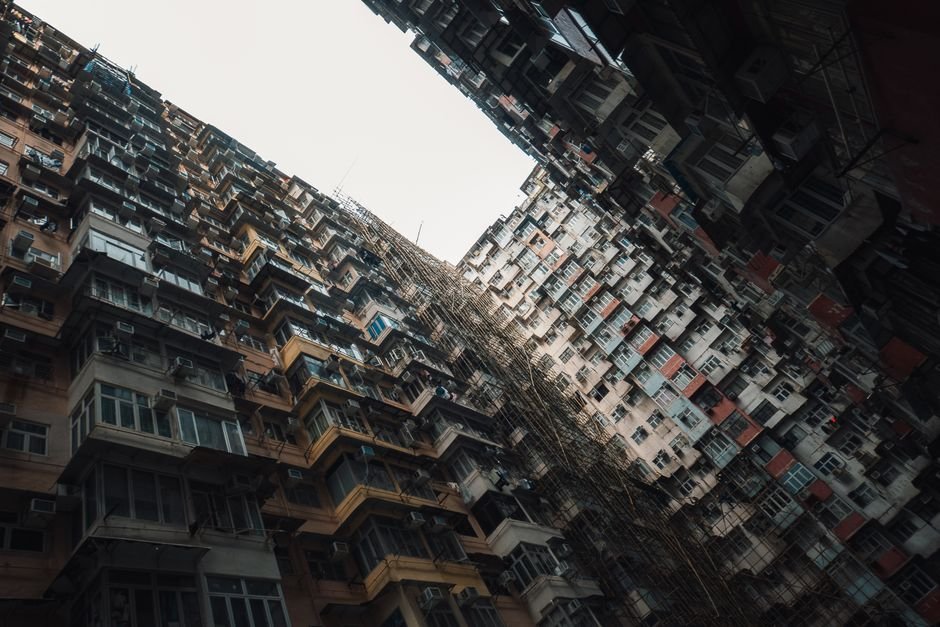
They called it the “City of Darkness.” Hak Nam. For a good reason. Imagine daylight rarely hitting the inner alleys, buried by a jungle of informal concrete. At its peak, almost 50,000 people called that tiny space home.
It wasn’t just crowded; it was hella tight. More than 350 buildings. 8,500 businesses. 10,700 households. All crammed in. Apartments? Often just 23 square meters. Claustrophobic? Barely.
The city was a true maze. People built up. Built sideways. Every which way. Organic chaos. Like a crazy, growing thing.
How it Got So Nuts: A Political Mess
So, the Walled City. It started with the First Opium War. China lost, giving Hong Kong to Britain. But the Qing government, all wary of British intentions, kept a fortified outpost in Kowloon. Watched the new colony from there. Smart.
Then, 1898 rolled around. The Second Opium War wrapped up. Britain leased most of Hong Kong for 99 years. Key thing: That old walled fort? Not part of the lease. It stayed Chinese land. A tiny Chinese spot in a British ocean.
This created a crazy legal mess. Walls torn down, WWII. (Japanese occupiers used them for Kai Tak Airport, go figure). British came back. Total chaos. Thousands of refugees from the Chinese Civil War flooded into the now-open area. Shantytowns sprung up everywhere. By 1948, the British went ‘hands-off.’ Said China was kinda in charge. But really? Just let the place stew. Left alone. Period.
How it Looked: A Twisted Puzzle Box
Building really took off in the 1950s, ’60s. Locals, mostly untrained, just built. Up, out, connecting. Always connecting. Some went 14 stories high. Not more. See, Kai Tak Airport’s planes flew low. Just 800 meters away. Planes literally flew right over the rooftops. Wild.
Inside? Dark. Damp. Industrial. Wires everywhere. Pipes. Balconies. Brick walls, cement walls. A total mess. Humming electricity, jury-rigged. Residents dug ditches for the sewage. They shared water tanks. Everyone helped. And necessity? She was Queen here.
Lawless? Yeah. But a Real Community
Yep, the stories? True. Triad gangs. Sex work. Drug dealing. Gambling dens. Unlicensed docs. Dentists too. Everything. Cops hardly went in. And if they did? Lost, probably. Rule of law? What’s that?
But that bad rep? Often missed the smart stuff. The Walled City operated as a giant, unregulated factory. Seriously. Roasted meats to golf balls, plastic baby parts to dog meat. Everything. Some stuff went all over HK. Then China. Further, even.
Exotic food was a big thing. Outsiders came for dog and snake meat! But community? Surprisingly strong. So many people. Close quarters. They looked out for folks. Kids hid in the alleyways. Pigeon races on roofs. Big fun. And another thing: Police evasion? Kinda a sport over the years.
Movies & Games Love It: The Walled City’s Legacy
The Walled City. So shadowy. No rules. Artists loved it. Its unique look, a total dystopian reality, inspired countless films, video games, graphic novels. Think of ‘The Narrows’ in Batman Begins. So similar. Even a Call of Duty: Black Ops level. You went inside it. Wild.
More than just buildings, though. A human story. It had everything: kindergartens, restaurants, electronics shops, repairmen. Society in miniature. Complete with its own class divides. Those closer to the exterior or on upper floors might catch a sliver of sun. Folks deeper inside? Endured pervasive smells, darkness, and danger. But life went on. They built. They lived. It was messy but real.
Gone in ’94: Now Just a Park
They knew it couldn’t last forever. That crazy place. On January 14, 1987, the rumors were true. Around 400 officials showed up. Fences went up. Demolition was coming. British and Chinese governments worked together. Plans for redevelopment moved forward peacefully.
The Hong Kong government made a secret compensation package. A whopping $3 billion USD. Prevented opportunists from moving in just for a quick buck. Every household received roughly $380,000. By November 1991, 33,000 residents had relocated. Refused to leave? Riot police came in July 1992. Forced ’em out.
Demolition. April 1994. Wrecking ball struck. (An eight-story building, symbolically). Guests clapped. Old residents grumbled. By the end of 1994, the physical nightmare was gone. Dust. Rubble. But the legend? Bulletproof.
Now? It’s a park. Officially opened Dec 1995. Designed like old Qing Dynasty gardens. The paths are named after the old streets. And because it’s important, some artifacts and foundations remain. Showing how it was. It’s a chill spot now. A place for quiet reflection on a history that once pulsed with unimaginable chaos and community.
Frequently Asked Questions
Q: Peak population and area?
A: Max crowded, like 50,000 people. Super dense, in just 2.7 hectares.
Q: Why was it so lawless?
A: Politically weird. Chinese land, British HK around it. Both governments kinda ignored it. So, no real law. Total self-rule for decades.
Q: When was it demolished, and what’s there now?
A: Gone in 1994. Replaced by Kowloon Walled City Park, opened in ’95. Still has relics.