The Real Deal with Linux Gaming: Valve’s Big Fight Against Windows
Windows 8. Remember that mess? Most folks probably just groan thinking about it. But for Gabe Newell, Valve’s co-founder? It was more than a bad operating system. Way more. He famously called it “a catastrophe for everyone in the PC space.” And that wasn’t just some casual jab, no. That kicked off Valve’s massive, decade-long commitment. All to make sure the Linux Gaming Evolution was real. They wanted a whole other gaming world, totally separate from Microsoft’s Windows.
What was the big deal, anyway? Newell saw Windows 8’s new app store as a huge warning sign. Microsoft wasn’t just supplying the OS anymore. They could totally become a competitor. Pushing their store. Pushing their games. Taking over the whole platform. Valve needed an escape hatch. A “protection strategy,” as Newell put it. So, Valve started in 2012. Made Linux a legit gaming platform. Powerful, even. Let’s dig into how they pulled it off.
Gabe Newell’s “Windows 8 is a catastrophe” moment kicked Valve into gear, forcing them to fight for gaming independence from Microsoft’s Windows
That Windows 8 launch? It lit a fire under Valve, big time. The fear wasn’t just another app store. Nope. It was about Redmond becoming a gatekeeper. Imagine it: Microsoft’s store. What if it had lower revenue shares? Preferential treatment for its own games? Newell’s predictions largely came true later. Xbox Game Pass, for example. Deeply integrated into Windows.
Valve totally bucked a monopoly. It could kill new ideas and competition. If Windows was the only game in town, Microsoft could just boss everyone around. The goal was simple: give developers and players options. Not just one choice. They swore to make Steam’s thousands of games run on Linux. This would be their plan B. Big plan, too.
Valve did a bunch of things: a Steam Linux client, Steam OS and Steam Machines (failed!), boosting Vulkan, and Proton
They didn’t just snap their fingers, you know. Valve rolled out this step-by-step plan. Each thing built on the last. Because it was a long game. Truly.
First up, a native Steam client for Linux. Showed up in beta in November 2012. Fully launched by February 2013. This meant developers could port their games directly. Problem? Almost nobody bothered. At all. Linux market share was barely 1%. Porting games meant extra time. More money. Updates, customer support for a tiny audience. Most studios just saw it as a pointless investment. But Valve didn’t stop there.
Next: SteamOS and Steam Machines. Announced September 2013. Stable Steam Machines in 2015. The idea was like a PlayStation or Xbox. For your living room. Running a special, game-focused Linux OS. Sounded cool, right? But no dice. Way too early. Linux-native games were still too scarce. And another thing: the machines were expensive. Less powerful than existing consoles. These were a flat-out flop. A “fiasco,” some called it. But Valve wasn’t done. Nope. Not by a long shot.
Recognizing the “chicken or the egg” thing (no players = no games, no games = no players)? Valve changed up their approach entirely. Instead of waiting for more Linux players for games, they focused on getting games onto Linux. Without developers even lifting a finger. That’s where Vulkan came in clutch.
Proton, a mix of Wine, DXVK, and VKD3D, blew everyone away by making thousands of Windows games play on Linux with zero developer input
You know that old DirectX installer? The one that popped up before every game? DirectX is this graphics tech, super important for games. But it’s proprietary. Closed-source. Microsoft-controlled. And if you wrote a game for DirectX, trying to get it onto anything else? A nightmare. An absolute pain.
Enter Vulkan. Open-source. Open-standard. And works on literally everything – Windows, Linux, Android, macOS, iOS. This cross-platform stuff made porting time way shorter. Valve knew Vulkan was key to a booming Linux Gaming Evolution. So they poured a lot of developer effort into making Vulkan drivers better for Intel and AMD hardware. Big investment.
This setup the stage for one of Valve’s biggest game-changers. Proton. Ever poked around Linux? You might know Wine – a program that lets Windows stuff run. By translating Windows calls. Valve took Wine and supercharged it. Made it shine.
Proton brings together Wine, DXVK (this translates DirectX 9, 10, and 11 calls to Vulkan), and VKD3D (for DirectX 12 to Vulkan). When Proton launched in 2018? It was a huge deal. Suddenly, thousands of Windows games totally played on Linux. With no developer input whatsoever. You just clicked. And it worked. Almost like magic. Performance was spotty at first, sure. But fast forward to now? Most Steam games run flawlessly. Often better than on Windows.
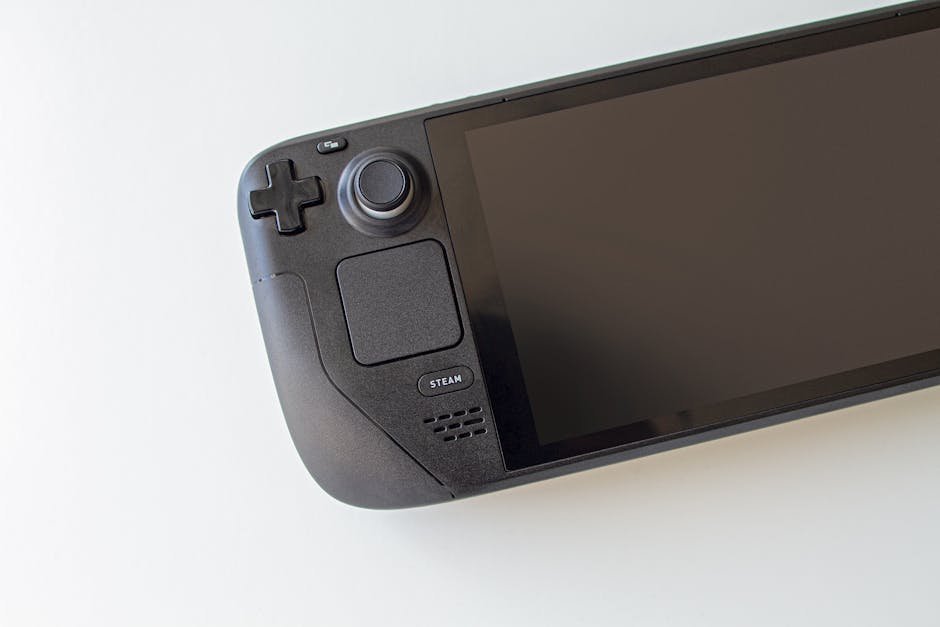
The Steam Deck, a portable console running Linux-based SteamOS, used Proton’s maturity to become a massive hit, selling millions
With Proton doing its thing, Valve took another swing at hardware. The Steam Deck, out in February 2022. A massive hit. This portable console runs SteamOS, a Linux-based operating system. And it uses all the power of Proton.
Unlike those ill-fated Steam Machines, the Deck launched into a place where thousands of games already ran well. Right out of the box. No waiting for developers to port. And it’s a customizable, portable beast, too. Reportedly sold over 4 million units by 2025. Plus, you can even install Windows on it. Or hook it up to a monitor, just like a regular PC. The Steam Deck wasn’t just a gadget. No. It made Linux Gaming Evolution mainstream.
Lots of games run great on Linux now, but some popular multiplayer titles still refuse to play nice because of anti-cheat systems. Major bummer
Today, even intense AAA titles. Stuff like Assassin’s Creed Mirage, The Last of Us Part II Remastered, and yeah, even GTA V. They run great on Linux. Thanks, Proton and Vulkan! These modern games very often just work. Even without official developer support.
But it’s not all fun and games. Some single-player titles can still hit weird snags. Little issues here and there. The biggest hurdle, though? Total bummer. Still multiplayer games. Especially those with aggressive anti-cheat software. Games like Valorant, League of Legends, and Destiny 2 still nope out on Linux. This usually happens because anti-cheat tech adds an extra layer of complexity. It just doesn’t play nice with the translation stuff.
Valve has worked with anti-cheat developers. Easy Anti-Cheat and BattleEye, for example. Made lots of popular titles playable on Linux (think Halo, Dead by Daylight, Smite). But a few big ones are holding out. And that stops a full switch for many multiplayer fans.
The open-source vibe of Linux, plus help from Khronos Group (Vulkan) and Wine folks, was critical for Valve’s success. It shows how collaboration rocks
You can’t talk about any of this without giving a huge shout-out to the wider community. Valve put in hella resources and leadership. But the whole darn journey wouldn’t have happened without the open-source spirit of Linux itself.
The Khronos Group, the Vulkan creators, and CodeWeavers, who maintain Wine. Along with countless Linux kernel developers. And the broader open-source community. They all played huge roles. Valve’s bit was speeding things up. Giving crucial funding and development power to these collaborative projects. And another thing: It really shows what happens when you support a passionate, open community. Teamwork makes the dream work.
The future of Linux gaming looks super bright, with hopes for more market share which means more developer love for those tricky multiplayer games
Remember when playing GTA V on Linux sounded like a wild fantasy? Now? It’s the norm. Most folks think it’s only a matter of time. Before those remaining multiplayer holdouts finally come around.
Because Linux market share keeps growing. Pushed by hardware like the Steam Deck. And people just wanting alternatives to Windows. Developers will be forced to notice. Hitting even 5% market share? That’s a ton of users. They simply can’t afford to ignore ’em. That’s when we’ll see native or officially supported anti-cheat solutions for those difficult titles right now. The Linux Gaming Evolution growth trajectory? Looking pretty good. It’s a genuine movement, people.
Frequently Asked Questions
Why did Valve bother with Linux gaming in the first place?
Because Gabe Newell, Valve’s founder, saw Windows 8 as a big threat. Microsoft was pushing its own app and game stores. A monopoly, really. Newell feared it would hurt Valve. So, they aimed for “gaming independence” for Steam.
What cool tech did Valve make or help with for Linux gaming?
Valve built a Steam Linux client. They tried Steam OS and Steam Machines. But the real game-changers? Investing in Vulkan API development. And creating Proton. Proton, which mixes Wine, DXVK, and VKD3D. It lets thousands of Windows games run on Linux. No developer work needed.
So why are some big online games still messed up on Linux?
The main problem for those unsupported multiplayer games? Often anti-cheat systems. While Valve has worked to get some anti-cheat going (like Easy Anti-Cheat and BattleEye). Others, especially in mega-popular titles like Valorant or League of Legends, still block seamless play on Linux. It’s a pain.