Dune’s Sandworms in California? Seriously? Exploring Desert Survival & Extreme Life
Ever looked at California’s vast deserts and wondered what lurks beneath? Something as mind-bogglingly immense as Dune Sandworms California could never host. And you’d be right. But hey, the fantasy of Arrakis’s Sheikh Hulud still stirs up some hella interesting questions about what extreme life, even here in our Golden State, truly means.
These fictional behemoths? The true rulers of Arrakis. Hit lengths up to 400 meters—some even pushing 2500 meters. Mouths alone span 80 meters! Compare that to our planet’s largest creatures, like the blue whale, maxing out around 30 meters. Hard to even picture it. Even if you gawked at dino bones. But why do whales get so huge, while land-based giants barely scratch the surface?
Big Critters: Land vs. Sea Giants
It’s all about buoyancy, isn’t it? Water helps support mass. Lessens the constant fight against gravity. Double an animal’s size, and the math for bone and muscle support doesn’t just double; it explodes. Calcium-based bones have limits. Eventually, even lifting your own weight becomes a problem. That’s why the largest creatures on Earth, like our beloved blue whales off the California coast, do great in the ocean.
So how could a Dune Sandworm California-style creature, living under layers of sand, defy these physical laws? Sandworms, weighing 15 times more than a blue whale? A bio-mystery. Our Earth’s known life forms can’t explain it. Maybe it’s the spice, who knows?
Desert Survival: Heat, Dryness, and Weird Biologies
California’s deserts, from Death Valley to Anza-Borrego, get scorching hot. Our local desert critters? Cope by sweating, burrowing for shade, or just being nocturnal. But Arrakis? Temperatures soar past 70°C (158°F). And here’s the kicker: for sandworms, water is poison. Straight-up deadly.
This bizarre biology makes you wonder. If water kills them, how do they regulate their body heat? Our carbon-based life? Relies on tricky enzymes that start unraveling above 40°C (104°F). So, with Arrakis conditions being so brutal, either sandworms developed some unknown heat regulation system, or they’re simply not carbon-based at all. A totally different kind of life.
California’s Burrowers & Sand-Dwellers: Adapting to Scratcy Sand
Moving through sand is no joke. It’s abrasive. Constantly grinding. Earthworms, for instance? Tiny. Slow. Covered in mucus for moist soil movement. But the giant sandworms of Arrakis? They’re swimming through sand at incredible speeds. Gotta have skin like armor. Super tough. To handle all that grinding.
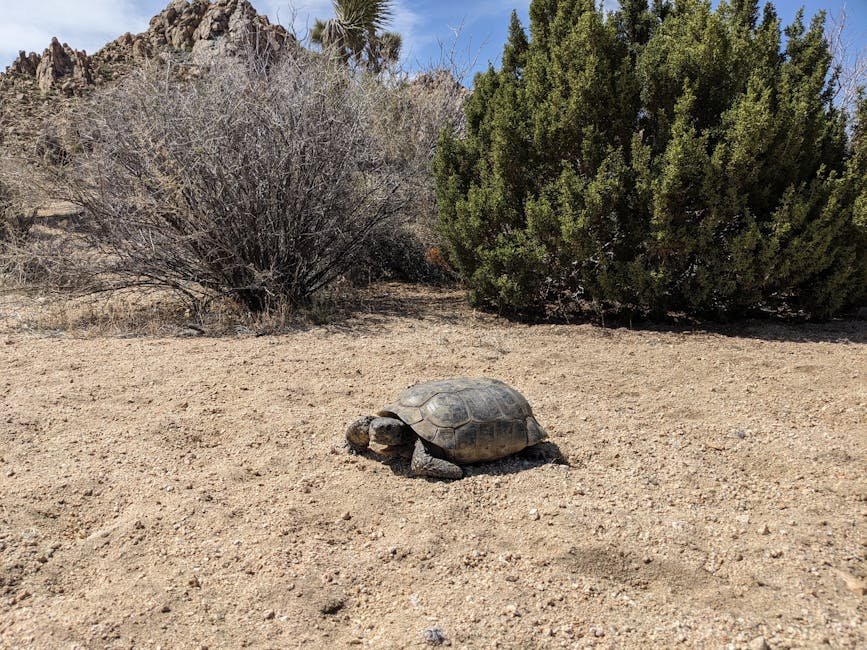
Here in California, we have our own desert burrowers – things like sidewinders, desert tortoises, or various lizards that “swim” through loose sand. Their skin might not be “armor-plated” like Sheikh Hulud’s, but it’s built for durability. Protecting them from sand and sun. And they’re hella good at moving through those sandy conditions.
Foundational Food Sources: From Plankton to Sand Plankton
Every ecosystem needs a food base. In our oceans, immense blue whales feast on tiny marine plankton. Same deal in Arrakis. Researchers looking at the desert sand don’t just see spice; they see life. Tiny “sand plankton”. The primary food source for the colossal sandworms.
Because, even the chillest spots in California, from tide pools to desert scrublands, rely on their own overlooked foundational organisms. Think about the detritivores in our deserts. Breaking down organic matter. Fueling the next steps in the food chain.
The Life Cycles of Little Makers and Spice Blasts
Some of those sand plankton on Arrakis manage to escape the sandworms’ gaping maws. These lucky few become what the Fremen call “little makers.” Part animal, part plant. They’re like the bacteria, viruses, or fungi of Arrakis. They create water packets deep in the sand. And their biological processes also kick out gases that burst forth as geysers of spice.
This spice then rains down, influenced by the star Canopus and the weather, making the planet loads of wealth. And get this: those little makers that survive the geyser eruptions? They’re on their way to becoming a full-fledged Sheikh Hulud. It’s a wild, interconnected life cycle. A constant reminder of the complex, often hidden, ecological webs woven by California’s unique species. From the life underground to the massive creatures above, everything connects.
Sensory Cues: Sand Vibrations
Just like some of our California wildlife respond to specific sounds or vibrations for hunting or avoiding predators, sandworms are hyper-attuned to rhythmic movements. Step rhythmically on Arrakis, and you’re basically ringing the dinner bell for a colossal worm. That’s why movement must be broken, unpredictable, to avoid detection. Some Earth worms even move towards rhythmic sounds—weird stuff.
Formidable Features: Crysknives and Predator Adaptations
Why would a creature need hundreds of sharp, multi-layered teeth that span 80 meters? On Arrakis, they’re not just for tiny sand plankton. And another thing: these formidable teeth, which the Fremen forge into the legendary Crysknife, likely evolved to take on something much larger—perhaps the massive machines that harvest spice.
Our own California predators, like coyotes or mountain lions, also boast specialized teeth and claws. But for them, it’s about tearing flesh and crushing bones of prey. The scale is different, but the purpose—adaptation for survival and hunting—is the same. It’s all about what the environment demands.
Frequently Asked Questions
Q: Sandworms get HUGE on sand. Earth animals don’t. How?
A: On Earth, gravity limits the size of land animals; their bones and muscles have structural limits. Whales get immense due to water’s buoyancy. Sandworms’ gargantuan size, up to 15 times that of a blue whale? Suggests a biology that just laughs at our planet’s known physical constraints. Maybe due to unique planetary conditions or non-carbon-based life.
Q: Water kills sandworms, but Arrakis is boiling. How do they not cook?
A: Earth’s carbon-based life forms rely on sweating and enzymes that denature above 40°C (104°F). ‘Cause water is lethal to sandworms and Arrakis temps exceed 70°C (158°F), it’s hypothesized they either possess some unknown, unique method of thermoregulation. Or they’re fundamentally a non-carbon-based life form. Totally different.
Q: What’s the whole sandworm life cycle and spice thing?
A: Sandworms chow down on “sand plankton.” Some plankton that escape predators become “little makers.” Kinda animal, kinda plant cells. These little makers create water packets underground. Also produce gases that erupt as spice geysers. The surviving little makers then grow into the giant sandworms. Shows a real direct link to that valuable spice.