Hooked on Games? A California Look at Kicking the Habit!
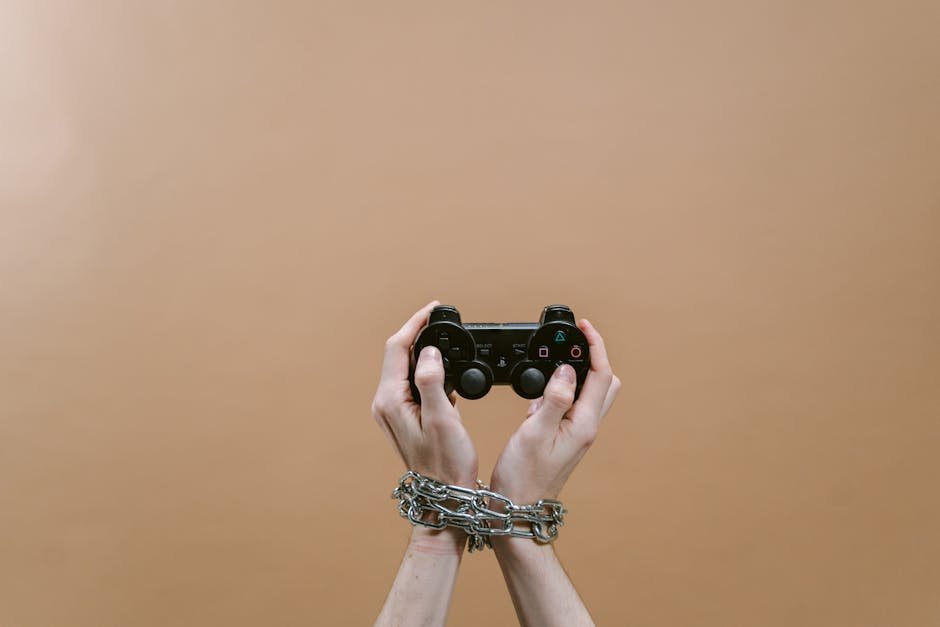
Ever lost track of time, totally lost in a digital world? Maybe it feels hella good, a true escape from reality. But when does that chill gaming session suddenly morph into something more serious? We’re talking video game addiction, a tough challenge in our always-connected California landscape. For some, the virtual realm just feels more real than actual life. Gives you wins. Makes you feel something. Hard to beat.
The Dopamine Hustle: Why We Get So Hooked
It’s no secret games are built to be super sticky. They aren’t passive entertainment like a movie you just watch or an album you just listen to. You’re active. Making decisions. Building something. This intense focus, sometimes for hundreds of hours, really messes with your brain.
Think about the classic game loop: Challenge. Reward. Character Upgrade. You beat a tough enemy. Snag your prize. And boom! Suddenly your character is stronger, faster, smarter. That feeling of progression? Major dopamine hit. That internal high keeps you pushing for the next, tougher thing. An endless pursuit. For more digital power. Games are masters at giving us that sweet, sweet brain chemical rush.
More Than Pixel Fun: Escapism and “Achievement Unlocked!”
For lots of folks, virtual worlds fill a void. Life on the outside can feel chaotic. Messy. Maybe a tough job or school beats you down. Games, with their clear objectives and task lists, give you control. They literally say, “Go here, kill that, grab this item.” For individuals, especially those with attention issues, this external structure is a big help. Real security. Actual signposts in a world that often lacks direction.
And another thing: then there’s the hero thing. Games let you become the hero. A problem-solver. You start weak, maybe, but you beef up. Fixing things. Saving communities. This pretend-hero vibe offers a real sense of life. A reason to be there. Feeling something that might be missing from your regular, everyday life. Who wouldn’t want to rescue a village, even if it’s just pixels? They also provide an outlet for aggression and competitiveness. A chance to outsmart. To overcome.
Spotting the Red Flags: When Gaming Becomes a Problem
So, how do you even know if you’ve crossed the line? It’s not just about how much you play. It’s about what happens when you don’t. Imagine feeling anxious, irritable, or even angry when you can’t get online. That’s a huge sign.
Here are some others:
- You’re always thinking about your next session, even when you should be focused on work or school.
- Need to play longer. Or play tougher games. Just to get the same thrill.
- You tried to cut back. Failed. Again.
- That hobby you used to love? Now feels boring.
- You keep playing, despite the real-life screw-ups: missed sleep, showing up late, wasted money, arguments.
- You lie to friends or family about how much time you’re actually spending gaming.
- Because you’re using games to escape real-life problems like guilt, anxiety, or feeling bummed out.
- You’re risking or losing important relationships, jobs, or school stuff because of gaming.
If five or more of these hit home within a year? That’s a blinking neon sign. Time for a reality check.
Rewriting the Script: How CBT Can Help
Kicking addiction isn’t just brute force; it’s often about changing the way you think. Cognitive Behavioral Therapy, or CBT, is a good way to go here. It works on the idea that if you change your thinking, you can change what you do.
Say you tell yourself, “Only gaming truly relieves my work stress.” CBT says, “Hold up!” What other activities bring you relief? Maybe a brisk walk along the beach. Strumming a guitar. Or simply chatting with a friend. The goal isn’t to deny the stress, but to expand your ways to deal with stuff beyond just your console. And, maybe you think, “I have no real talents; games are all I’m good at.” CBT helps you figure out that narrow view. Encourages you to try new things. And see strengths you might be overlooking. It’s tough internal work. But worth it.
Breaking the Loop: Straight-Up Steps for Change
Ready for a comeback? First up: slowly cut back your screen time. If you’re clocking six hours, try five for a week. See how you feel. Learn your triggers. Do you make excuses to extend your sessions? Watch your habits. Crucial.
Then, go beyond just playing. Love games? Try creating them! Get into game development from the ground up. Become a content creator. Shift from being a consumer to a producer. You get a totally different kind of good feeling. A real sense of, “I made this!”
A little weird, but true: limiting your play actually boosts the enjoyment. If you decide on two hours and stick to it, those two hours feel hella good. If you drag it out, you frequently finish feeling burnt out. Guilty too. You’ve neglected real-world stuff. So, treat gaming like a reward. Finish your tasks. Crush your responsibilities. Then fire up the console. The satisfaction is huge. And the guilt? Gone.
And another thing: be wary of endless games. MMORPGs and MOBAs, with their constant updates and battle loops, are built to keep you grinding forever. They can lead to a toxic vibe. Instead, explore story-driven games with a clear beginning and end. You gain the enjoyment without getting trapped in an infinite cycle.
The Brighter Side: Finding Your Balance
Listen. Nobody’s saying games are the enemy. They won’t magically vanish from our lives, and frankly, they shouldn’t. There’s real value there. Think about it: research shows surgeons who game a few hours a week? They actually have better hand-eye coordination during tricky surgeries. It makes sense, right? Those precise movements with a joystick, operating a digital camera – it’s just like gaming.
Game ideas even help us improve motivation in schools and workplaces. Achievements, rewards, leveling up – these concepts that get people more into stuff in games are being applied everywhere.
Bottom line? Be boss of yourself. Set your boundaries. Then stick to them. Don’t touch the controller until your responsibilities are handled. Interestingly, when you play knowing your tasks are done, the game is far more enjoyable. And for real, this world has more good stuff than just pixels. Step outside. Try a new local spot. Explore. There’s a whole California out there waiting.
Frequently Asked Questions
Q: Are all video games equally addictive?
A: Not all. While all games can be super fun, totally grabbing your attention, online and competitive games like MMORPGs or MOBAs, which often have never-ending leveling up and constant updates, tend to be way more likely to get you hooked compared to story-driven games with a clear beginning and end.
Q: What role does dopamine play in gaming addiction?
A: Video games are made super clever with “challenge-reward-character upgrade” loops. When you level up or defeat an enemy, for example, your brain releases a big old rush of dopamine. Your brain loves those wins. This good feeling makes you wanna do it again. And that helps make you addicted.
Q: Can gaming actually be beneficial?
A: Absolutely! While moderation is key, games come with some perks. Studies show gaming can make your hands and eyes better, and help you fix stuff, especially when they studied surgeons. Games are good, really. Also, taking game ideas, like rewards and achievements, are being used to make people hyped up and pay attention in schools and at work.