Elon Musk’s Wild Ride: From PayPal to Earth and Space Dominance
Anyone ever tell you nothing’s impossible? Well, history once laughed at electric cars. Folks totally blew off private companies ever hitting space. But then, this guy just went and bucked the whole system. He built the future. We’re talking about the Elon Musk Biography, a crazy trip through insane ambition and these totally wild ideas that totally reshaped industries. What a story! A guy with a truly unique vision. And the sheer grit to make the impossible, well, happen.
Early Life: Bullies, Code, and $500
Born in Pretoria, South Africa, in 1971. His early years? Not a picnic. Parents divorced. Then living with a dad he later called “difficult.” School sucked too; constant bullying. Pretty lonely, huh?
But those tough times? Didn’t break him. Instead, they just cranked up his tech fascination. Ten years old: taught himself computer programming. Just two years later, he cooked up a video game, “Blaster.” Sold it to some local magazine for $500. A solid early win. Clear sign that entrepreneurial fire was burning.
Books and Brains: Physics, Economics
At 17, Musk packed up. Headed to Canada. Briefly at Queens University. Then bounced to the University of Pennsylvania. Degrees in both Physics and Economics there. Smart move, right?
Physics gave him the straight facts for figuring out complex science stuff. Economics? That’s where he learned how to actually take those science solutions and turn them into something people could buy. A super strategic approach to his school years. Really.
The First Big Paychecks: Zip2 & PayPal
Two days. Two days at Stanford, then he dropped out. Why wait? The business world called! In ’95, he kicked off Zip2 with his brother. This outfit gave online city guides and maps to newspapers. Totally helped old-school media get into the new digital age. He poured almost every dime he had into it. Betting everything on a digital dream.
Zip2 wasn’t an instant hit. But by ’99, Compaq bought it for roughly $300 million. Musk got $22 million from that deal. Instead of chilling, he was already looking for the next big thing.
And wouldn’t you know? That next thing was x.com in 1999. An online finance and payment company. Its goal: totally shake up online payments back when they were tiny. x.com became one of the internet’s first online banks. Eventually, it merged with another company, Confinity, which had PayPal. Musk became CEO.
But a clash. A big one. Led to his ousting in 2000. Rough, right? However, PayPal just blew up. Became the best online payment system. Then, in 2002, eBay bought PayPal for a crazy $1.5 billion. Musk walked away with a cool $160 million. This was it. The money shot. It gave him the freedom to chase bigger, bolder ideas.
Tesla: Rolling Out Electric Coolness
That huge PayPal payout? Didn’t send him to a fancy beach. Nope. It fueled his real drive: fix global problems. Climate change and our oil habit? Bugged him big time. So, in 2004, Musk joined Tesla Motors as an investor. Quick to become the biggest shareholder. Not a founder, but his arrival kicked off Tesla’s wild ride.
Tesla’s dream was pure California vibes: make electric cars not just some alternative, but genuinely cool, high-performance rides. Back then, EVs were dorky. Kinda lame, honestly. Ruled by giants like GM and Ford. Musk was dead set on proving they could be clean and a blast to drive.
The 2008 Roadster made its point. Expensive? Oh yeah. But it shattered expectations. EVs could travel far and act like real sports cars. Even with money troubles and constant haters, Musk himself dumped cash in. Kept Tesla alive.
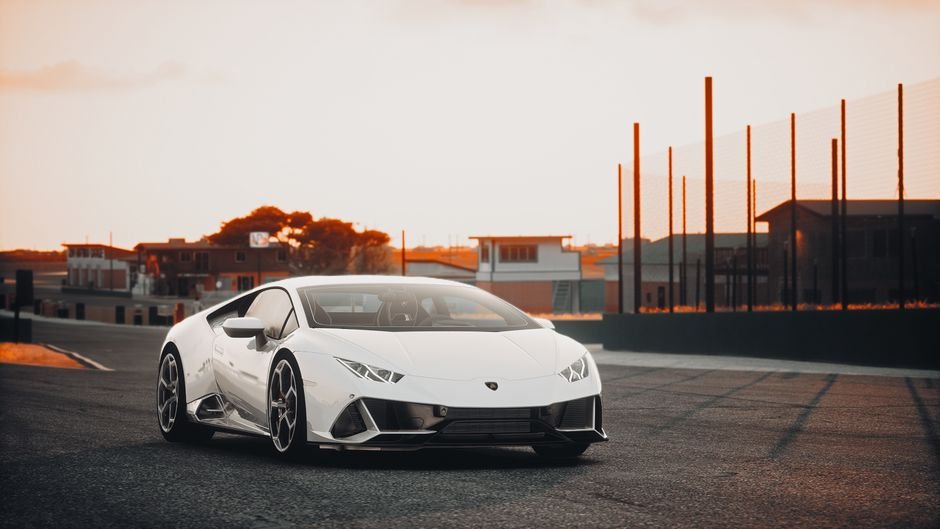
Then the real game-changer hit: the 2012 Model S. Not just another electric car. A huge leap forward. Blending cutting-edge tech, sleek looks, and blistering speed. Zero to sixty in 2.5 seconds. Faster than most high-end sports cars. Autopilot, its self-driving system, hinted at a new era. The Model S was a hit. Awards aplenty. A top luxury sedan. After that, came the Model X and the more affordable Model 3. By 2020, Tesla became the world’s most valuable automaker. An unheard-of climb for a niche starter.
And another thing: Tesla didn’t just stop at cars. Musk pushed solar energy and storage stuff like the Powerwall and Powerpack. For holding energy from solar panels or the grid, you know? Tesla’s Gigafactories totally changed battery making. Made EVs cheaper. Kept Tesla way ahead.
SpaceX: To the Stars, Cheaper
While Tesla was flying high, Musk was already cooking up his next giant company: SpaceX. Started in 2002. The goal was wild. Seriously cut the cost of space travel. And finally, make humans a multi-planet species. Why? Deep concern for humanity’s long-term survival. He genuinely believes we gotta live on more than just one rock.
SpaceX hit some hella serious turbulence early on. Rockets failed, often. And Musk’s personal fortune became the company’s lifeline. He kept pouring money in. Until they finally stuck the landing.
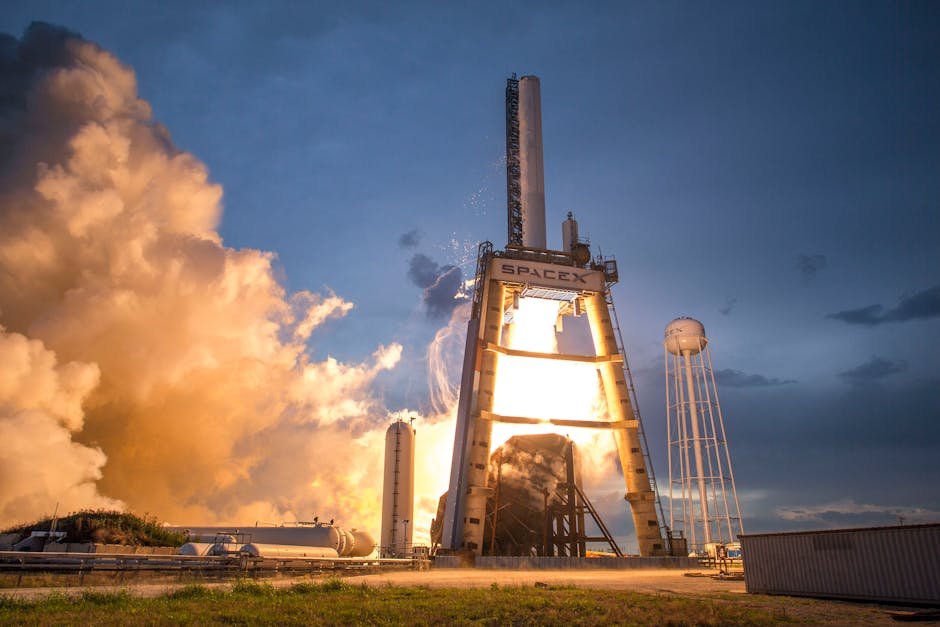
Success finally came in 2008 with the Falcon 1. First privately made liquid-fueled rocket to hit orbit. Then, 2012. SpaceX made history by sending its Dragon spacecraft to the International Space Station. Huge for commercial space. But the big idea? The one that really chopped costs? Reusable rockets.
In 2015, SpaceX actually landed the Falcon 9 back on Earth. A huge deal. Making rockets reusable. First time ever! It slashed the price tag of sending stuff to space. Opened up wild new doors for private companies and governments alike.
The Musk Way: Big Dreams, Big Risks
In every single one of his ventures, Musk’s leadership is obvious. He dreams big. He commits hard. And he’s totally okay with huge risks. Often betting his own money when others would bail. Time and again, from saving Tesla to funding SpaceX, his own cash pulled his companies back from the brink.
This willingness to face big screw-ups and funnel personal wealth into impossible goals? That’s what really makes him different. An unwavering belief that, despite everything, his vision will win out.
His Companies: All About Humanity’s Future
Today, Musk isn’t just one of the richest people around. He’s one of the most visionary, too. His companies – Tesla, SpaceX, Neuralink, The Boring Company – are always leading the way. Each one tackles a different, urgent problem. From making clean energy for Earth. To putting AI in human brains. To digging tunnels under cities to kill traffic. It’s an almost sci-fi collection of projects. All for securing humanity’s future, both here and out among the stars.
From our highways to the heavens, Musk keeps showing us. The future? It’s not some far-off dream. It’s happening now. His journey proves: with a wild vision, sheer stubbornness, and total faith in what’s possible, the impossible actually gets built. And he’s far from done.
Quick Q&A
Q: Where was Elon Musk born?
A: Pretoria, South Africa. June 28, 1971.
Q: Earliest successful ventures?
A: Zip2, online city guides. And x.com, which became PayPal. Pretty good money makers.
Q: How’d he save Tesla?
A: He personally invested his own money. Had to stop it from going bust and keep things running.