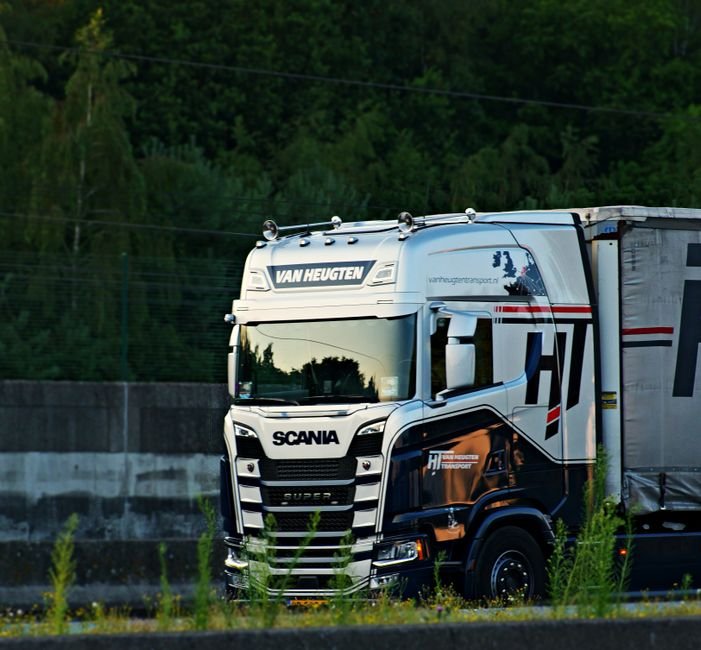
Big Truck Retarders: How They Work, Why They Matter
Ever driven down a steep hill on a California road, seeing those huge rigs barrel past? Ever think, “How does a 40-ton monster slow down without its brakes catching fire?” Hella good question, right? Because it’s not just about disc brakes anymore. The real deal? A super smart bit of kit: the Heavy Vehicle Retarder System. Not just some extra brake. It’s a key part, often hidden, keeping everyone safe.
The Gist: Slowing That Spinny Bit
So, what’s a retarder really do? It’s a backup brake. A second string player, ready to jump in when your main brakes need a breather. Its whole point is to mess with how fast the truck’s main shaft spins. Picture it like gently pinching the truck’s insides to slow its roll, instead of just grinding away at the wheels.
This powerful box? You won’t see it. And another thing: It sits smack-dab between the transmission and the main drive shaft. This smart location lets it directly hit those vital spinning parts. Slow that shaft. And the whole truck slows down.
How It Actually Works: Spinners, Still Bits, and Liquid
Inside this little powerhouse, a bunch of stuff happens. It’s got a main shaft, some gears, and most important, a rotor. This rotor isn’t just a basic spinning piece; it’s got blades tailor-made for the job. And no, these aren’t just stuck on randomly. Their precise angles and the materials used? All thanks to serious engineer brains. Now, facing this rotor is a part that doesn’t move. The stator. With its own set of blades.
When a driver flips the switch, a special, thin liquid starts filling up the area around the rotor. The harder you want to brake, the more liquid rushes in. This liquid then slams into those fast-spinning rotor blades. Creates a ton of drag. And that drag, all from the liquid, is what slows down that shaft’s spinning.
Keeping Its Cool: Heat Talk
Anything that slows down a massive rig, well, it’s gonna get hot. Super hot. Traditional friction brakes, though, they just try to air it out. Often leading to scary fading on those long, downhill runs. But retarders? They handle heat like pros. That thick liquid? As it slows the rotor, it gets super hot.
Cool.
Here’s the clever bit: this heated liquid moves through a built-in heat cooler. The truck’s regular cooling system, the one from the radiator, just keeps pushing cool water through this cooler. This steady flow of cool water gets that retarder stuff chilled quick. Before it goes back into the system. This smart cooling setup stops things from frying. And it keeps the backup brake working its best.
Why Big Rigs Really Need Them: Forget Just Discs
Okay, think about a little car. Maybe two tons, max. Its disc brakes work great. No problem. Now, beef that up. To a 20-ton, or even 40-ton, semi barrelling down some crazy mountain road. If that monster only had disc brakes? Oh boy. Recipe for disaster.
All that weight and speed would make regular friction brakes fry up big time. Over 1000 degrees Celsius, easy. Beyond just crappy braking, that extreme heat causes brake fade. We’re talking cracked discs, pads wearing out fast, and, eventually, you’d totally lose it. Retarders are the main slowdown guy. They let the friction brakes be used just for short, quick stops, making them last way longer and keeping everyone safe.
Saves Big Money, Saves Big Brakes
Besides the super important safety stuff, retarder systems also save you a ton of cash. By taking on most of the braking, they slash the abuse on your main brake parts – pads, discs, all that. So? Fewer trips to the shop. Less money spent on fixes. And those pricey parts? They just last way longer. It totally pays you back in less downtime and smaller repair bills. A done deal!
In Charge: Taming the Beast
Using a retarder is pretty easy, honestly. Once you know it. It’s usually a lever with a few settings, right by the steering wheel. Not just on or off. Gives you stages. So you get smooth, controlled slowing. Pull that lever down? Sends a signal. Gets the retarder going. Starts that liquid moving.
To turn it off? Just push the lever back up. And the liquid? Goes back to its tank. Pulls the spinning and still bits apart. Drive shaft goes full blast again. This fine-tuned handling lets drivers keep steady speeds downhill. Without always riding their normal brakes.
Smartypants Engineering Behind the Blades
The idea is simple, but man, it hides how complicated it is. Designing those rotor and stator blades? That ain’t easy. No walk in the park. Engineers spend years figuring out down to the millimeter – the precise angles, the best stuff to make ’em from, the perfect thickness. Every tiny bit? Super important for top-notch performance. Heat resistance too. And serious stopping power. Without wrecking how long they last. Just incredible stuff.
So next time you see those huge trucks cruising down steep hills without breaking a sweat, give a shout-out to the engineers. Because that brilliant Heavy Vehicle Retarder System keeps things safe. Proof of how clever people are. And a must-have part for anyone sharing the road with our biggest haulers.
Quick Questions, Quick Answers
Q: What’s the main point of a heavy vehicle retarder system?
A: It’s basically a beefed-up backup brake. Main point? Slowing those big rigs by messing with the drive shaft’s spin. Keeps the hot-rod regular brakes from working overtime.
Q: Why can’t big trucks just use their normal disc brakes on long downhill sections?
A: Because huge trucks, 20-40 tons! Regular brakes would totally fry, like 1000°C hot, on a long descent. Fade city! Pads gone, discs cracked. Then, goodbye control. Super risky.
Q: How does a retarder keep cool when it’s stopping stuff?
A: Simple. The liquid gets hot doing its job. So, that sizzling fluid gets pumped through a cooler. The truck’s regular radiator system sends cold water there, cooling the retarder fluid right down. Then back in it goes!