Your California Road Trip? Don’t Screw Up Tire Pressure. Seriously, Don’t
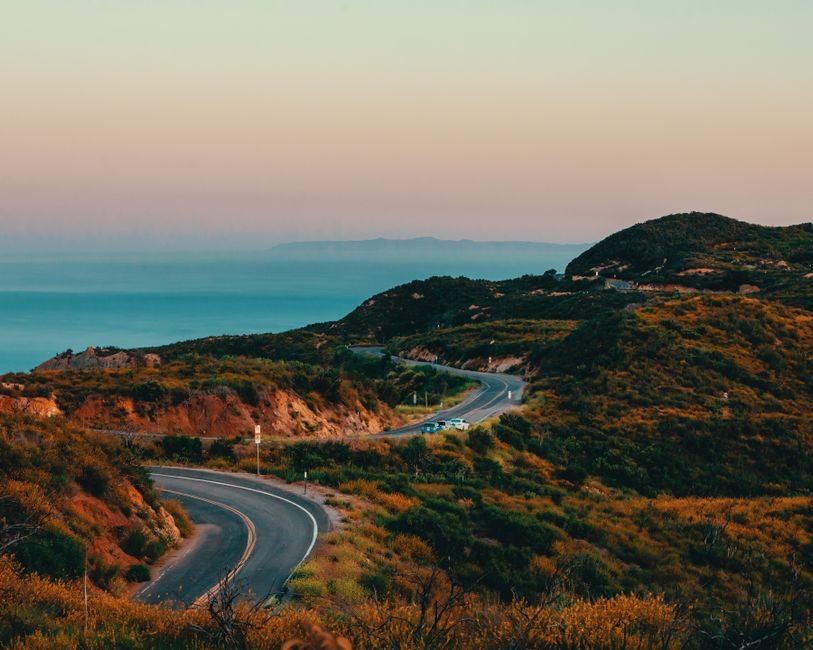
Cruising Cali? Highway 1, maybe? Sierra foothills run? Ever just pull into a gas station, pump tires to some random ’32 PSI’, and call it good? So many of us do it. But nope, treating your California Road Trip Tire Pressure like a total guess? Hella risky. And I mean, hella. It’s not just for a smooth ride, either. It’s for sticking those turns on mountain roads. For saving your cash. And for totally keeping you safe on the freeways. This is important. You gotta get this right.
Forget guess work. Look HERE for tire pressure info
That tiny sticker? You know the one. Often missed. But it’s not just for show. Car builders, they put it there for a reason. Super critical stuff. Before you decide to shove any air in there, just pop open that driver’s door. See it? Usually a small sticker tucked right on the jamb. Sometimes it’s on the gas cap, too.
Not some general rule. No way. This is your specific car’s personal guide. For how it should best run. How it stays safe. Don’t be lazy about it. Two seconds, tops.
That ’32 PSI’ thing? Usually wrong. Stop it
So, why the 32 PSI obsession? Runs wild, that myth. Like an old rumor. But listen up: just slapping some random number on your tires? Prime way to kill your rubber. Way too soon.
Do that? Every single time. You’re setting those tires up for wonky wear. Worse grip. It’s a gamble. A bad one, actually. Definitely not one to take when you’re blasting down the 5.
Not just your car. What’s even in it?
Okay, your car. Just you, chilling to Big Sur? Or crammed to the max? Camping gear for Yosemite, three friends, plus the cooler. All that stuff. Matters. A whole bunch.
The car maker, they usually list different pressures. For when it’s just you inside. Or for when it’s full to the brim. These differences? They totally change how your tires stick to the road. Skip this bit of info? You’ll mess up the driving experience and, oh right, your safety.
Bad pressure? You’ll slide. Big problem
Alright, safety time. This is it. When your tires just aren’t right, too much air or not enough? How they touch the road changes. Less grip. Pretty simple.
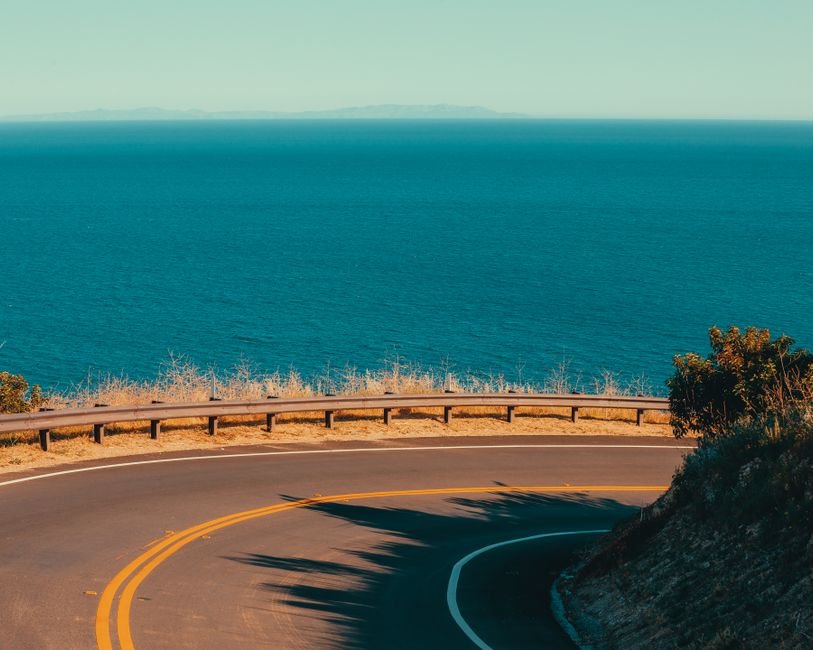
Picture this: a sharp curve on some winding coastal spot. Or a tricky mountain turn. If tires can’t stick right? You’re asking to slide. And another thing: that’s a seriously risky game. Especially with all the different roads here in California. Proper pressure? Your absolute best bet to stay in control.
Save some gas money. Your wallet will thank you
Okay, your money. Let’s hit that for a second. Gas in California? Not cheap. No way. Because squishy tires? They drag more. Makes your engine work like crazy. And that just guzzles gas.
But just checking and fixing your tire pressure to what it should be? Not only are you safer. Also, your gas money goes a lot further. Fewer stops for fuel. More cash for killer tacos. Win-win, always.
Ignore the sticker? You’ll buy new tires. Fast
Forget the immediate safety stuff. And the gas sucking. Wrong tire pressure, over time? It totally messes up your tires. Uneven wear. They die fast. Really fast. And that means you’re buying new rubber, sooner. More cash out of your pocket.
So, don’t ignore that info. That little label? On the door, or the gas cap? It’s literally there to save your bucks later. But way more important, for keeping you safe. Everyone safe. Just do it. Make it a habit.
Frequently Asked Questions
Is ’32 PSI’ always bad for my California road trip?
Yeah, pretty much. That number? It’s usually wrong. Always look for your car’s actual recommended pressure. It’s on a sticker! Door jamb, usually. Sometimes the gas cap.
Does loading up my car change the tire pressure I need?
Totally. Big time. Pressure changes whether it’s just you or you’ve packed it full of friends and gear. Car makers give different numbers for those times.
So, what happens if my tire pressure is off?
Bad grip on the road. Big risk of sliding, especially in a turn. And it makes your car drink more gas. Plus, your tires wear out super fast. All bad. All stuff that keeps you less safe.