California Car Dreams: Why Show Cars Change for the Road
Ever wonder why that sleek, shiny concept car blew your mind at the auto show? And then, BAM! Completely different ride by the time it hits the dealership here in California? Man, it bugs a lot of us. Especially when we’re dreaming up the next big thing in California automotive design. That hella cool vision of tomorrow often gets a serious glow-up before it’s even street-legal. What’s the deal?
Turns out, no grand conspiracy. Just a head-on collision. Wild ideas meet cold, hard reality.
Concept Cars: No Rules. Just Dreams
Picture this: designers. Sketching out a car. Absolutely no limits. No budget stuff. Forget pesky physics getting in the way. And safety laws? Nope. Not even a thought. That’s the vibe. The concept studio’s pure joy.
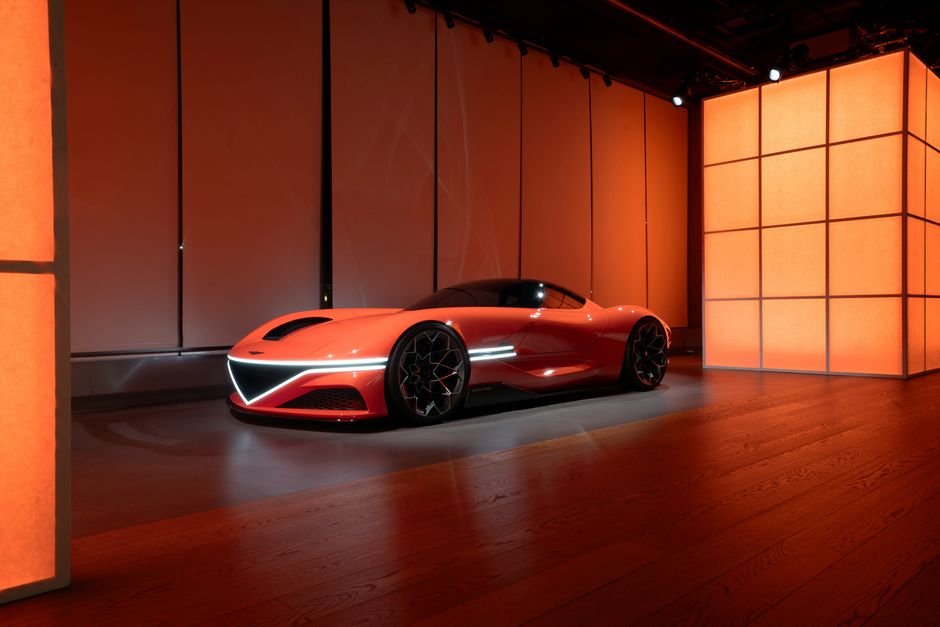
The whole point of these wild ideas? To wow you. To burn that specific model, that bold image, deep into your brain. It’s about selling excitement, pushing limits. Even if it’s just on paper or a fancy prop.
But Then Reality Hits: Safety First, Always
And then the engineers step in. This is where it gets real. Literally, where the rubber meets the road. That impossibly low, slinky roofline you adored on the concept? In a real crash? Total neck-breaker. So, up it goes. Immediately.
Global safety rules dictate nearly everything. Crumple zones. Pedestrian impact tests. All that stuff. So, those sharp, aggressive angles might get softer. Thin pillars? Gotta get bulkier. And the whole look of the car usually shifts to keep you—and everyone else—safe. Look, safety isn’t elective; it’s the law.
Materials Matter, Too. Big Time
And another thing: materials! A concept might show off a pure carbon fiber body. Super light. Totally stunning. But imagine the price if every single car on the assembly line had that. Insane.
So, engineers swap those fancy rare composites for cheaper, tougher plastics. Still high-tech, sure. But these choices make mass production possible. And they keep the final price tag from going completely wild. It’s a smart swap. For a daily driver. Not a museum piece.
Concepts Often Don’t Even Run. Real Cars Have To
Here’s a kicker: many of those amazing show cars don’t actually work. Sometimes, no engine. No real interior. Or even proper wiring. They’re usually just statues. Made to look good. All for the visual impact.
Because think about the car you buy. It needs to fire up every single morning. It needs to handle our crazy California freeways. And last for years. Thousands of miles. It has to survive drivers who might skip oil changes for-ev-er. That needs seriously intense engineering. It’s gotta be tough. Dependable. Capable of taking a beating. An entirely different animal.
It’s Not About Screwing You Over. Promise
Ultimately, when a concept car’s design gets “chopped up,” it’s not some evil auto company trying to annoy you. That’s just how it has to be. It’s an essential transformation. Driven by laws. By money stuff. And by what actually works in the real world. They aren’t killing dreams; they’re making them into something millions of people can actually drive, own, and afford.
It’s a tough balancing act. That initial spark of California automotive design sets the vibe. But making it real always means making a few compromises. It’s a huge difference between a pure art sculpture and a machine built for everyday life.
Quick Questions, Quick Answers
Why do show cars look so different from what’s at the dealers?
Concept cars? Pure vision. Designed to excite, show off future ideas. No rules: no engineering worries, no budget limits, no safety mandates. Production models? Gotta stick to strict laws. Real-world stuff. Cost-effective making.
Do safety rules really change how a car looks?
Yeah, totally. Global safety standards are a huge reason for design shifts. Roof height. Body strength. Even curves get changed. To make sure the vehicle can handle a crash. Keep people safe.
Do concept cars at shows actually function like real cars?
Nope. Many are just empty shells. Made to show off how they’ll look. Cool ideas. Not actual working cars with engines and real guts.