Austin Texas Real Estate: Boom, Bust. What now?
Remember when everyone said Austin was the next Silicon Valley? Before that, fastest-growing city in the U.S. Just two years ago, Austin Texas real estate prices went absolutely bonkers. People, they called it the future of American innovation, with tech giants hightailing it from California for that lower-tax, no-regulation feel. Then, faster than you can mumble “don’t California my Texas,” the bottom dropped out. Home prices tanked more than in any other city across the country. What in the world happened?
The Austin Tech Boom: A California Exodus
The pull to Austin was seriously powerful. Pandemic-era folks, especially those in the tech game, saw Texas—Austin, specifically—as a golden ticket. A way out of California’s super strict rules and crazy high bills. No state income tax. That was a huge attraction. Gyms actually stayed open, masks weren’t mandatory everywhere, and the cost of living was, for a fleeting moment, way cheaper than the Bay Area. Warm weather and a cool art scene helped too.
Big tech companies moved fast. Tesla put its Gigafactory here. Oracle shifted its main office from Redwood City. Dropbox, Palantir, Apple. All of them beefed up their places. Venture capital money just flooded in; Austin-based startups pulled in nearly $5 billion in 2021. That’s a 200% jump over 2019. Average home values were about $325,000 in January 2020. They then shot past $550,000 by mid-2022. That’s a 70% jump in just a bit over two years. Austin: totally looked like it hit the tech jackpot.
Remote Work’s Double-Edged Sword
Austin’s places to live and its whole economy got a serious hit from the remote work thing. Lots of people thought remote work was forever. This belief brought tons of people and started the real estate craze.
But cracks started appearing late in 2022. The tech industry slowed. Interest rates climbed. And funding, poof, it disappeared. Layoffs hit hard everywhere, with over 300,000 tech folks getting cut from 2022 to 2024. Austin, a quickly growing tech hub? It took a major blow. Tech job announcements in the city spiraled down 25%.
Then came the “back to the office, folks” orders. Google, Meta, and Apple told everyone to get back to their desks. Many people who’d moved to Austin but worked for San Francisco companies faced a harsh choice: move back home or quit. Net migration of tech workers to Austin slowed by 40% between 2022 and 2024. And another thing: some companies even left town! Meta dumped a giant lease, and Oracle, word on the street is they’re looking at Nashville. The remote work “mania” is, honestly, pretty much done.
It’s super important to think about steady jobs long-term before moving just because you think you can work from home.
Infrastructure Under Strain: Growth Pains
Fast growth messes everything up. Austin’s roads and stuff couldn’t keep pace. I-35 became a legendary traffic nightmare. No city-wide metro system. Home building, despite tons of new projects, got held up by material costs going through the roof. Those old favorite local hangouts like Bungalow and Container Bar? Gone. Just construction sites now.
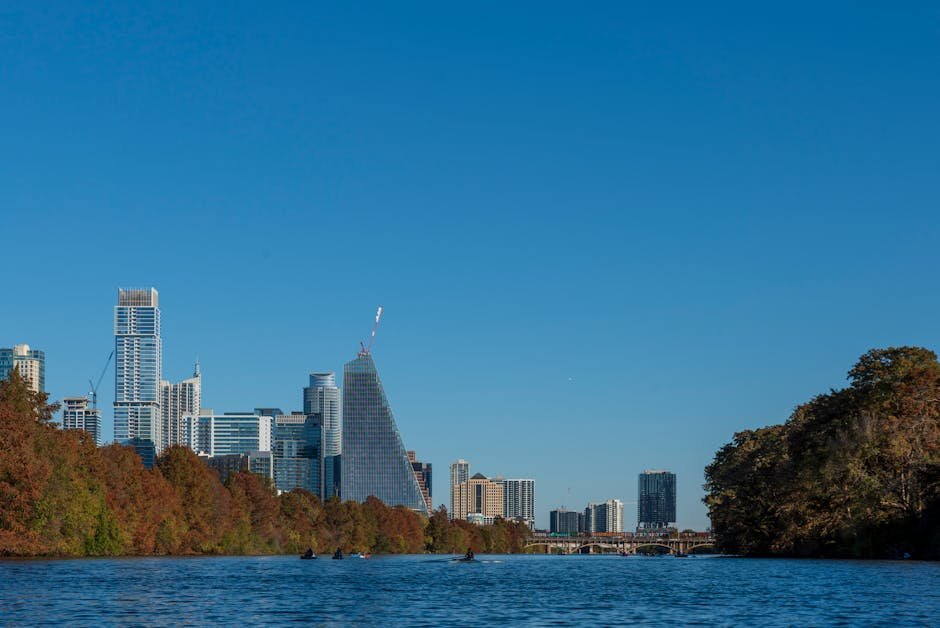
And get this: San Francisco and Austin now share an unfortunate title. Both cities have the most open office space — 27% empty for each one. Meanwhile, the future “tallest building in Texas,” Waterline Tower, is gearing up to open, adding another 833,000 square feet to an already overloaded market. Builders, they must be sweating bullets.
So, check out the local roads and how a place handles more people moving in before you go anywhere. Pointless to escape traffic somewhere else just to hit it an hour later down the road, right?
Real Estate Investment: Highs and Lows
Dumping money into real estate when the market is red-hot carries epic risks. What zooms up can come crashing down. Average home prices plummeted. They went from $570,000 in May 2022 to $435,000 by May 2024. That’s a 23% slide in two years. Some neighborhoods, especially those brand-new suburban houses bought at peak prices, saw declines over 30%. Ouch.
Listings now just sit there. Over 70 days on the market! Crazy different from the quick 18 days back in 2021. Many people who bought at the frenzy’s peak are now “underwater” on their mortgages. Rents, also, dropped big time. Sometimes by as much as 40%.
And a big chunk of Austin’s growth came from out-of-towners. By 2022, over 28% of homes sold were snagged by hedge funds, Airbnb operators, and landlords far away, treating Austin like the next Miami. But when the Fed hiked up interest rates, these investors backed off. Airbnb profits kind of fizzled, and suddenly, a ton of homes hit the market. Not enough buyers. This investor stampede out the door? That’s a huge reason Austin’s price correction has been so brutal.
Seriously, spread your money around. Don’t put all your cash into one super-fast growing thing, especially not real estate.
Economic Trends: A Reality Check
Economic changes can shift super fast, screwing with available jobs and how much it costs to live. Austin isn’t falling apart, no. But it has come back down to basics. Population growth has slowed significantly (1.3% in 2024, way down from 3% in 2021). The job market is decent, with unemployment under 4%. But that dream of an overnight tech Shangri-La? It’s completely gone.
What Austin is going through is a crucial adjustment, a fresh start, a dose of reality. The living costs had ballooned, and many Californians missed one simple truth: Austin summers are pure torture. June, July, August often hit 105 degrees. Not exactly a relaxing vacation spot all the time.
The past few years totally remind us that real, lasting growth takes actual time. Austin still rocks as a creative town with amazing music, food, and a cool way of life. But the “hype” rollercoaster is basically over. The gold rush has ended for good.
Always, ALWAYS truly dig into what’s happening in local economies and the day-to-day grind before you pack up and move to a new place. Don’t just buy property because you’re scared of missing out. What looked like a $600,000 brilliant purchase in 2022? It could be worth only $470,000 today. Austin is still changing, but probably not at the insane speed everyone once expected.
Frequently Asked Questions
Q: Why’d Austin’s housing market get so big so fast?
A: Austin’s housing market exploded. Thanks to a huge wave of tech companies and remote workers. They liked Texas’s lower taxes, fewer rules, and they thought it was cheaper than California. Big tech players like Tesla and Oracle moved here or expanded. So that made demand spike. And home values jump.
Q: What made Austin home prices drop lately?
A: Lots of things. Nationwide tech industry slowed way down. Interest rates climbed. And remote work basically ended. Many companies made people come back to the office. This meant fewer tech folks moved here. There was too much housing, and investors pulled out. So, basically, prices corrected from being too high.
Q: Is Austin still a good spot to live in or buy property?
A: Austin’s population is still increasing. Just slower. Its job market holds steady, with low unemployment. While the “tech dreamland” ideas have faded, the city still has a lively vibe, great food, and music. But investors and residents? Be aware that those crazy fast speculative gains are over. The market is just finding its balance now. Long-term growth will probably be slower. And based on sensible reasons, not just hype.