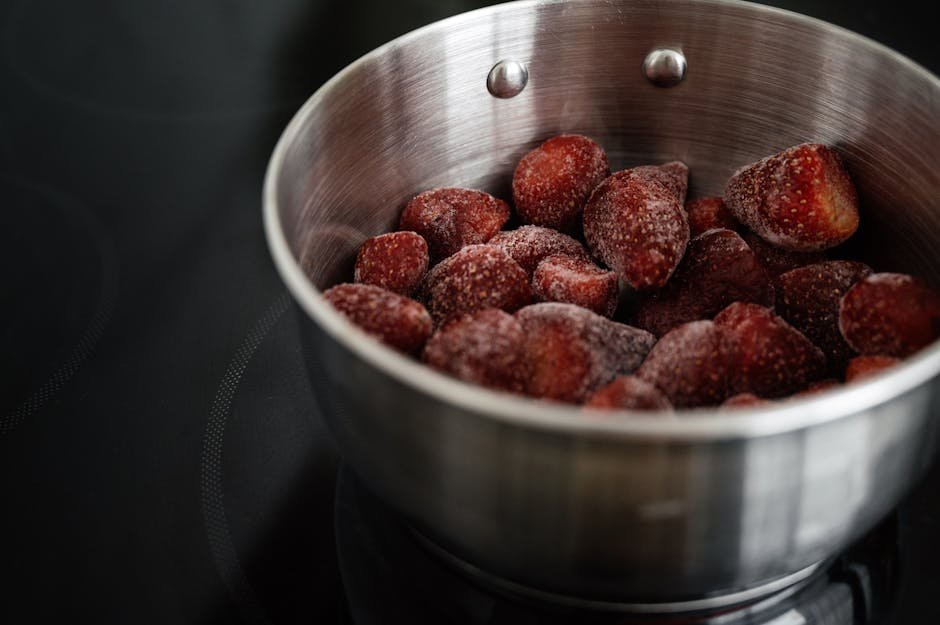
Hey, Frozen Stuff Rocks: Cooking with Frozen Vegetables & Fruits Just Got Real
Tired of spending hella time on tedious meal prep? Wish you could whip up a delicious, gourmet dish without all the chopping, trimming, and blanching? Forget everything you thought about cooking with frozen vegetables and fruits. Seriously. It’s not just for smoothies, folks. Smart cooks know that sometimes, frozen isn’t just convenient. It’s a secret weapon. Actually makes food better. This isn’t about ditching quality; it’s about unlocking a whole new vibe in your kitchen.
And it’s about getting your hands on stuff too. Produce that’s out of season. Or just a pain to prep. Think beyond basic ice cream in the freezer aisle. We’re talking culinary magic.
Slash Prep Time, Amp Up Flavor
One of the biggest wins when you grab frozen produce? You cut out a ridiculous amount of prep work. Those two bunches of spinach that need washing, trimming, blanching, shocking, squeezing, and chopping for gnudi? Yeah, forget all that nonsense. Grab a bag of frozen spinach. Defrost. Squeeze. You’re set.
This shortcut doesn’t just save minutes. It frees you from the boring parts of cooking. Letting you focus on the fun stuff: flavor. And it opens up a world of recipes. Like that speedy pasta piselli with peas and pancetta. Otherwise, you’d only make it once a year. When everything’s fresh.
The “Damage” That Pays Off: Unleashing Juices
Freezing, by its very nature, causes damage. Pretty simple. Water inside those tiny plant cells turns into ice crystals, which expand and push. Against the cell walls. This breaks them down. Leads to that characteristic softness we’ve all noticed in thawed berries. But here’s the kicker: this “damage” isn’t always a bad thing.
In fact, it can be a huge advantage. That cellular breakdown means more juices are released. Way more. For dishes where you want that juiciness—think purees, sauces, or fruit-infused iced drinks—frozen produce is often top-notch. Need to yank maximum flavor from berries for an iced tea? Frozen is your best buddy. Because it does the work for you.
Think about it: slow freezing in your home freezer creates larger, sharper ice crystals. Loads more damage. More juice loss. Resulting in super soft thawed stuff. Fast freezing, on the other hand, creates smaller crystals. Keeps more texture.
The IQF Edge: Better Frozen, Better Dishes
You’ve probably seen “IQF” on frozen food stuff. Individual Quick Freezing. This is the industrial-strength version of fast freezing. Manufacturers blast produce with super-cold air. Tiny ice crystals form. Minimal damage. This keeps texture and juice. Pretty neat, right?
Even with IQF, a thawed strawberry won’t be like a fresh one in a shortcake. No way. You know it was frozen. But for cooked food, like pies or mousses, where texture changes are hidden, good luck telling the difference. This is where frozen produce really shines. True star.
When Frozen Shines: Cooked Comfort
The main rule here is easy: frozen stuff generally works best when cooked. Why? Because cooking softens grub anyway. It hides the textural changes freezing caused. So you get all the other goodness.
Take those gnudi. We just talked about them. The goal is light, airy dumplings with not much binder. That means getting as much water out of the ricotta and spinach as you can. Traditionally, it’s a whole big deal for fresh spinach. With frozen? Defrost it. Then squeeze, squeeze, squeeze. Frozen spinach practically wrings itself out effortlessly, making your gnudi amazingly tender and light. And another thing: fewer steps.
Other frozen greens great for cooked meals include frozen peas, edamame, baby lima beans, pearl onions, and artichoke hearts. For fruits, grab pineapple, peaches, and sour or sweet cherries. All of these hold up wonderfully when baked, stewed, or stir-fried.
Beyond the Stove: Unexpected Frozen Wins
Sometimes, frozen is actually better than fresh. Even without any heat involved. Cranberry relish is a prime example. Made traditionally with fresh cranberries, sugar, and orange it can sometimes have just too much chew.
Swap in frozen cranberries. The freezing process gentles the small berries. Gives you a smooth, bright relish. Perfect on holiday turkey. Or with some blue cheese on a cracker. You keep all those vibrant, uncooked smells. And the texture? Exactly what you want: tender, not crunchy.
Another brilliant move involves fruit-infused iced tea. Throwing fresh berries into tea does squat. But frozen raspberries, with their damaged cell walls, are just waiting to release maximum juicy taste. Mash them with basil, sugar, and lemon juice. Mix with steeped tea. Let it hang out. The result is a spectacular, customized iced tea that’ll make you wonder why you ever bought those bottled versions. Because it’s so easy.
Waste Less, Cook More
Beyond pure flavor, choosing frozen produce is a smart move for your cash. And the planet. It often costs less. Available year-round. Plus, its longer life means you’re way less likely to ditch wilted greens or moldy berries. Using frozen produce actively cuts down on food waste, which is a HUGE win for any kitchen. It truly gives you more recipe options.
So, ditch the fresh-or-nothing mindset. Embrace the freezer. Let those frozen goodies transform your everyday cooking.
Frequently Asked Questions
Why’s my frozen stuff soggy after thawing?
When water in plant cells freezes, it expands into ice crystals. They push against and crack the cell walls. This cell damage makes the thawed produce all soft. That’s why.
Is frozen ever better than fresh?
Yes, absolutely. For things like sauces, purees, cranberry relish, or fruit-infused iced teas, that freezing damage actually helps release more juices. It softens the fruit. So you get way more flavor. Exactly the texture you want. Boom.
What’s this ‘IQF’ thing all about?
IQF stands for Individual Quick Freezing. It’s an industrial thing. They freeze individual pieces of produce super fast. This makes smaller ice crystals. Less cell damage than slow freezing at home. It helps the produce keep more of its texture and juices. Pretty clever.