Electric Vehicle Cost of Ownership in California: Is it Worth it?
Thinking about going electric here in the Golden State? But maybe you’re wondering about the real electric vehicle cost of ownership? It’s a seriously common question on hella Californians’ minds. Does ditching the gas pump actually save you money down the road, or are there hidden costs just waiting to kill your vibe? We’re diving deep into the numbers. Ten-year scenario: gas versus electric. Apples to apples.
Recent analyses, showing real-world driving habits, often pit an internal combustion engine (ICE) vehicle against an electric vehicle (EV). This assumes both start at the same purchase price. The goal? To uncover the true long-term car cost.
The 10-Year Showdown: EVs vs. Gas Cars
Let’s talk brass tacks. Over a decade, the differences in running costs between EVs and gas cars aren’t just noticeable; they’re astronomical. Imagine buying two new vehicles. Same price tag. The ICE car demands constant feeding at the pump. And constant, wallet-busting trips to the mechanic. We’re talking substantial annual fuel costs; easily reaching into the five figures when you factor in sneaky yearly inflation.
Maintenance? It adds insult to injury for gas cars. Routine checks, oil changes, spark plugs, belt replacements—it all piles up. Brake pads need swapping every couple of years. Brake discs every few, especially if you’re clocking around 12,000 miles annually. These costs can easily double in certain years. Big components due for service.
EVs? They’re a whole different beast. Their simplified powertrains mean way fewer moving parts. That translates directly to lower EV maintenance costs. Think longer service intervals. Often every 1.5 to 2 years. Just basic checks instead of complicated engine work. The financial gap here is massive. Over ten years, an ICE vehicle’s total running costs from fuel and maintenance can be five times higher than an EV’s. Five times! Blows your mind.
Depreciation and That Battery Buzz: What Really Happens Over Time?
Everyone keeps yapping about EVs losing value faster. Batteries, right? The fear is they’ll just die. But hold up. Real-world data tells a different picture. Consider models like the 2014 Renault Zoe. A smaller, older EV. Even after clocking over 100,000 miles, many of these vehicles still boast battery health above 90%. Pretty tough, huh? And when you compare their resale value to a similar gas-powered car from the same year? The numbers often end up surprisingly, kinda similar.
Still, just to be super careful with the estimates, some analyses assume EVs might depreciate slightly more. Even with that skewed assumption, the huge savings from way less fuel and maintenance? They easily—and significantly—offset any perceived dip in resale value. Long-term battery reliability isn’t just a promise here; it’s a proven fact for lots of current EV owners hitting those super high mileage marks.
Powering Up: Smart Charging Saves Serious Cash
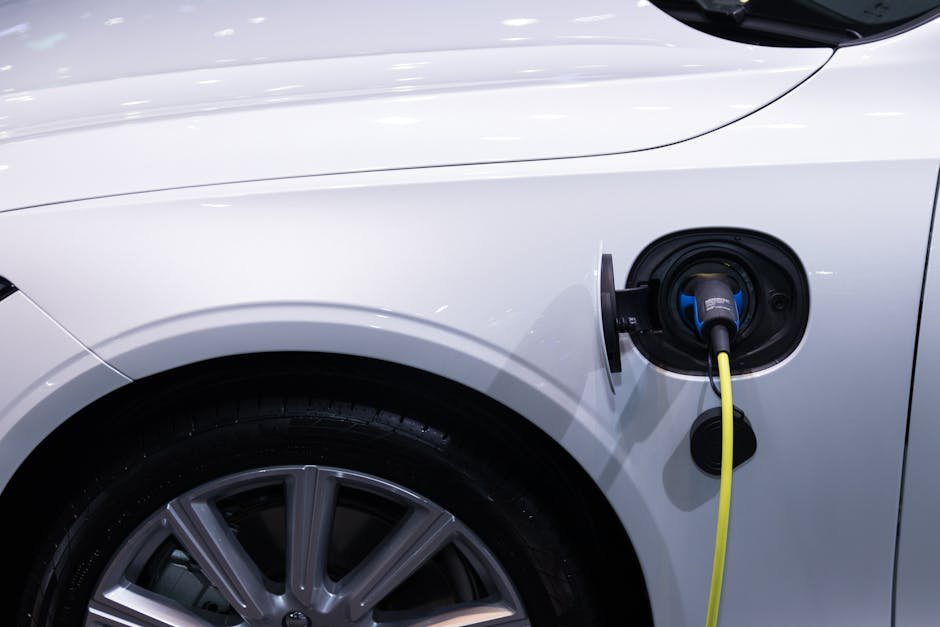
Where you plug in? That’s everything when it comes to long term car cost. The biggest hack for EV owners? Home charging. It’s dirt cheap. Super convenient. And usually happens overnight while you sleep. Many drivers plug in primarily at home, making up about 80% of their habits. Public AC charging stations are a go-to for topping off during errands. Mid-range pricing.
DC fast charging? Super quick. But typically the most expensive option. Think of it as a splurge, used sparingly for road trips or when time is absolutely critical. So, by smartly prioritizing home charging, then adding in public AC, and only occasionally hitting up those DC fast chargers? You keep your running costs lean. That’s how you save big money.
More Than Just the Wallet: The Bigger Picture for California Drivers
The benefits of EVs stretch far beyond purely financial gains, though. Driving an EV in California? It offers a serene, quiet experience. No rumbling engine. Just smooth, instant torque. It makes city driving, or even cruising down Highway 1, a truly zen experience. And another thing: you contribute to cleaner air in our beautiful state, cutting tailpipe emissions in cities. Also, you support moves towards energy independence.
Okay, sometimes our electricity comes from sources like natural gas. But a growing slice of California’s grid is powered by renewables. And if you’re into supporting domestic manufacturing, choosing an EV can also mean boosting local economies. Electric vehicles are a clean, quiet, and often cheaper way to get around. So, they make an excellent choice for the California lifestyle. Especially if you’re not planning cross-country treks every other weekend. But even then, charging networks are blowing up rapidly, turning once-daunting long hauls into routine stops.
Frequently Asked Questions
Do EV batteries really last?
Yes, absolutely. Real-world examples show 10-year-old EVs with over 100,000 miles still maintaining 90-93% battery health. Battery technology? It’s advanced significantly. And manufacturers often provide long warranties. Like 8 years.
Who is an EV best suited for?
Basically, EVs are ideal for most drivers. Especially those with typical daily commutes. And who primarily take 2-3 longer trips (under 400 miles) per year. With current ranges, many “long trips” can be managed with a quick 10-15 minute charge stop. Making them a chill spot for almost anyone.
Are EVs prone to major breakdowns like gas cars?
No. EVs have way fewer moving parts than internal combustion engine vehicles. This means no complex transmissions. No exhaust systems. None of those internal engine components that can just up and fail. The likelihood of a super costly, major repair, like an engine or transmission replacement, is hella low compared to an ICE car.