The Kamikaze Chronicles: Kublai Khan’s Mongol Invasions of Japan Explained
Ever heard of an empire that just couldn’t be stopped? One that brought whole nations to their knees, stretching from Europe to Asia? That was Kublai Khan’s Mongol Empire. And he had one hella ambitious goal: conquering Japan. This wasn’t just any old expansion. Nah. This was a brutal clash of cultures, a global power move that totally rewrote the story of the Mongol Invasions of Japan. The island country, Nippon to its folks – a place of rising sun, amazing samurai, and a defensive energy built over centuries of its own fighting – suddenly had to deal with an outside threat like nothing before. Unprecedented.
Why Kublai Khan Wanted Japan So Bad
Kublai, that tough-as-nails grandson of Genghis Khan, took power in the mid-13th century. He was relentless. A real go-getter, always pushing his empire’s edges. His eyes were glued on expanding, mostly south and east. After some seriously ugly attacks, he’d already smashed the Goryeo Dynasty of Korea by 1259. Made it part of the Mongol zone.
But Japan? Purely different. Kublai wasn’t just about showing muscle; he was strategic. He hated that Japan traded with his big rival, the powerful Song dynasty in China. Also, advisors kept whispering about Japan’s massive gold stashes. Even Marco Polo, the famous traveler, mentioned it. A true score.
Ultimately, though, it was just about wanting total control. Kublai believed the whole world, even the “land where the sun rises,” should be his. No other reason needed. Just pure domination.
Japan Stands Firm Against Mongol Demands
In 1266, Kublai sent an ambassador to Japan with a message. A chilling message. It was a veiled threat, really, demanding Japan get into “friendly relations” with the Mongols. His message said, “Nobody wants to resort to weapons.” But the unspoken stuff was clear: obey, or else.
Back then, Japan technically had Emperor Kameyama in Kyoto, but he was a puppet. The real muscle was with the Kamakura Bakufu, a military government run by the super influential Hojo dynasty. Hojo Tokimune was the one really calling the shots.
The shogun said “no way” to Kublai’s idea. Dishonorable. He refused. No reply ever came back. For years, similar letters arrived, and Japan just kept ignoring them. War, everyone knew, became a question of “when,” not “if.”
The First Invasion: Mongols Bring New Battle Tactics
The first invasion rolled out in 1274. Kublai, who’d already chipped away at the Song dynasty, unleashed a massive Mongolian-Korean army and a fleet of 900 ships. Twenty-five thousand horsemen from northern China, Manchuria, and Mongolia, plus fifteen thousand Korean infantry and sailors, set sail. Their target: Kyushu, the Japanese island closest to Korea.
Japan had never faced anything like this from outside. Their fighters were good at local fights, one-on-one. The Mongols, though, brought a whole new style of war. They first ruined the strategic islands of Tsushima and Iki. Slaughtered garrisons. Enslaved people. A brutal wake-up call.
On November 19, 1274, the Mongols landed at Fukuoka Bay. They punched through the Japanese lines, clearly better in weapons and how they fought. Horse archers fired arrows that whistled and freaked out samurai horses. Bomb-throwing catapults rained down explosions. The Japanese were confused. Overwhelmed by mass strategy directed by flags and drums. So different from their individual skill. The Mongols had the upper hand. Always.
Learning from Disaster: Japan Builds Defenses
Even with all that power, the Mongols decided to get back on their ships that first night. Scared of a counterattack in the dark. The Japanese attacked. Then, a huge storm hit. A typhoon. Korean sailors had to yank their fleet into the open sea. Two hundred ships sank. Thousands of soldiers drowned. Vessels piled onto each other. Kublai’s forces barely made it back. Superior in battle? Sure. But the storm changed everything.
This near-total mess taught Japan a hard lesson. The Hojo dynasty leaders knew they couldn’t count on luck twice. Immediately, they started building a massive defensive wall along Hakata Bay. A smart move against future invasions. New army posts showed up. And soldiers trained hard. Military drills got an upgrade. Reserve units got ready for a possible second round. Japan was ready to fight differently.
Divine Winds: The Kamikaze Saves Japan (Twice!)
Frustrated but not bowing out, Kublai Khan just wrote off the first defeat as a fluke. Japan, on the other hand, got bolder. They even cut off the heads of new Mongol ambassadors. By 1279, Kublai had totally crushed the Song dynasty, scooping up all of China’s resources. He had choices for his next move: Annam, Burma, Tibet… But he wanted Japan. Really badly.
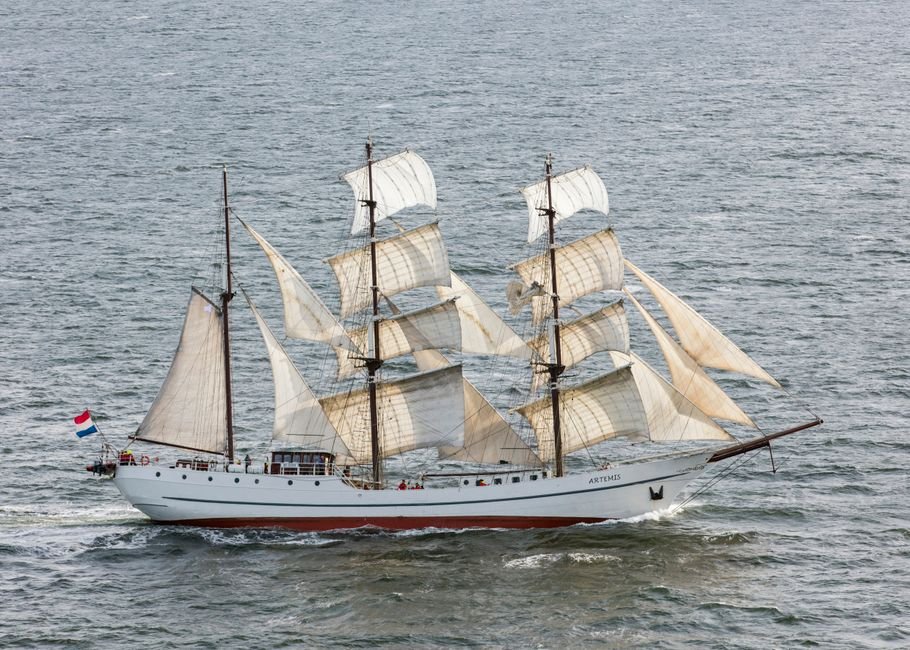
So, in 1281, he launched his rematch. This wasn’t some small group: 900 ships from Korea, and a massive 3,500 more from southern China. Carrying over 150,000 soldiers. Mongols, Chinese, Koreans—all headed for Japan. The invasion kicked off again with Tsushima and Iki, fiercely defended but falling eventually. The Korean fleet landed at Shiga Spit, north of Hakata Bay, running straight into Japan’s tough defenses. That big wall worked. It slowed the Mongols down, stopping any breakthroughs. Small, quick Japanese fishing boats harassed the larger Korean ships in shallow water, doing real damage.
Then. On the night of August 14-15. Fate stepped in again. Another typhoon. A true force of nature. Winds going over 190 kilometers per hour hammered the fleets for two whole days. Four thousand of 4,500 ships sank. Almost 100,000 invaders drowned. The main Chinese force? Obliterated. Those very few who made it to Iki Island found no safety. Because the Japanese showed no mercy. Killing or beheading the survivors. This unbelievable save, this holy power that protected the Japanese islands, went down in history as Kamikaze—the “divine wind.” A legend was born, etched into Japanese culture forever.
Geography: The Ultimate Game-Changer
Kublai Khan’s big dreams of taking Japan just shattered. He never tried to invade Japan again. The islanders, living smack in a storm-prone area, were saved by the very land features that shaped their country.
It’s a huge lesson from history. Almost a local secret for understanding global politics: geography isn’t just lines on a map. Geography writes the fate of nations. Just like it did for Japan in 1281. Tough stuff.
Quick Hits
Q: Seriously, why did Kublai Khan want Japan?
A: He wanted more empire, heard Japan had a ton of gold, and needed to block its trade with his enemy, the Song dynasty. But mostly, he just wanted to rule everything. Domination.
Q: How did Japan do against the Mongols at first?
A: Not great. Used to one-on-one samurai fights, they got stomped by the Mongols’ group tactics, horse archers, and bomb-throwing catapults. Heavy losses.
Q: What’s the deal with the “Kamikaze” winds?
A: “Kamikaze” (divine wind) means those two massive typhoons that wrecked the Mongol fleets in 1274 and 1281. A miracle save for Japan, becoming a huge symbol of their never-give-up attitude. Pretty cool, right?