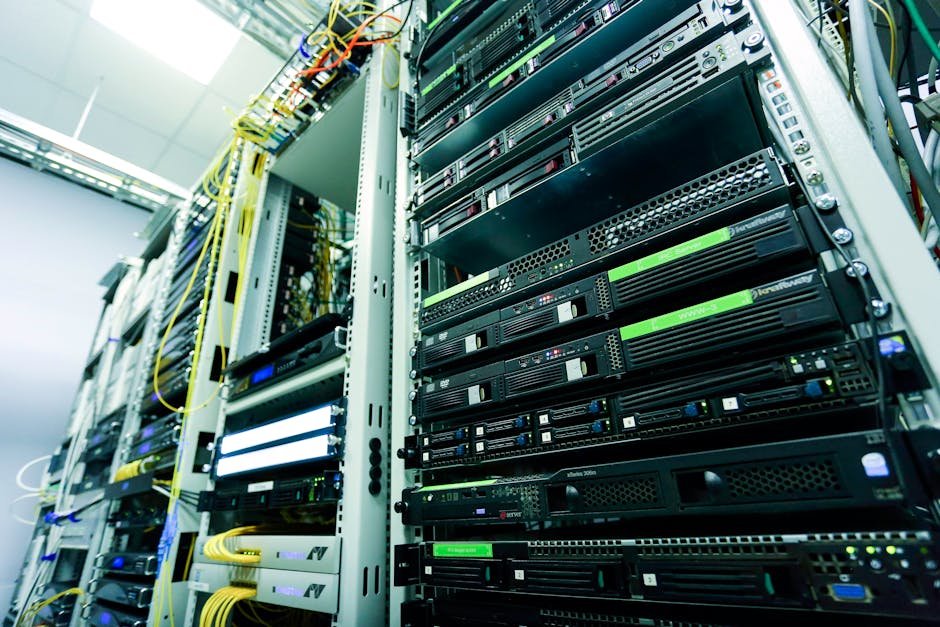
Data Center Colocation: Server Setup for Crazy-Fast Remote Streaming
Wanna push your server to the max? We’re talking seriously fast internet. Rock-solid power. That’s the deal. That’s exactly what Data Center Colocation delivers. It’s where everyone, from hardcore gamers to big companies, keeps their important stuff safe. Away from all the home-setup headaches. And dude, we just saw how these places run. Super secure. Crazy low latency for gaming.
Housing Personal Servers in a Data Center: Why It’s Way Better Than Home
Why move your server to some big, cold room instead of home? Easy. Way better. Your home internet? Nope. Can’t even compare. We’re talking 40 Gigabit ports here. And hey, you can even go to 80 or 160 Gig if you need to. That’s some serious speed. No more freaking out about power going out. Data centers have dual power. UPS. Generators. Everything.
Also, they’ve got monster AC units. CRACs, they call them. Keeps everything super cool. And another thing: security. It’s tight. Real people, digital stuff. So, your gear just performs. Your spare bedroom? No chance.
Data Centers Are Sorted by Tiers: What’s the Deal?
Different data centers. Different levels. They sort ’em by “tiers.” So, you know how reliable they are. How good they fight outages. Tier 3? Lots of backup. Less chance of a surprise shutdown. But Tier 4. Nearly zero downtime. Unbeatable.
We used to deal with Tier 2 places. Power would just conk out. Big problem. Lost data. Had to rush servers somewhere else. Nightmare. Tier 3 is much better. Dual power feeds. Way more stable power. And Tier 4? Next-level security, man. Armed guards. Secret spots. Off the map, even. Really protecting the digital stuff.
Colocated Servers: Game Streaming, No Lag. For Real
Game on your phone, from anywhere? Zero lag? Yeah, for real. It’s the dream. And a colocated server totally makes it happen. Moonlight, Sunshine. Open-source programs. You stream right from your crazy powerful data center machine.
We tried it with an old rig. GTX 1050 Ti, 16GB RAM. Emulated PS2 game, like God of War. Or a Steam game. From far away. A little tweaking. Opened some firewall ports, you know, SSH, streaming stuff. And the results? Awesome. Side-by-side, almost no lag. Blew our minds. Gaming on the go. Seriously.
Bufferbloat Tests: Gamers, Hear This!
Gamers know this. Lag? You’re dead. Seriously, that’s it. So you need a Bufferbloat test. It shows how much your ping jumps. When your connection is busy. Low Bufferbloat? Means your internet stays fast. Even with tons of traffic.
We tested a 1 Gigabit connection in a data center. Insane results: only +8ms ping when downloading. Just +1ms uploading. Crazy good. Yep. Stellar. Because of that low Bufferbloat, a colocated server with this kind of internet? It can destroy any online game. No sweat. Super smooth. Whether you’re fighting folks or just watching movies.
Running A Hosting Service? Not for the Faint of Heart
Running a hosting service? Hard work. More than just slapping servers in. Installation is a pain. Always. You think RAM is easy? Nah. Could be hours. Dead slots. Gotta get it just right. Total headache.
And then, moving data. Ugh. Shifting servers? From one data center to another? It’s like a 12-hour-plus marathon. No sleep. One little shake. Wrong RAID slot. Boom. All your data gone. Check it twice. Then three times. Power problem pops up? Emergency move time. Pressure goes way up. Days of work straight. Sleeping on the floor for like, five minutes? Luxury. All that constant watching? Wears you out. Seriously, falling asleep driving? It’s a real danger after those shifts.
Spam Control Is Huge. IP Reputation Too
Gotta keep the network clean. Super important. Especially with international stuff. Outside countries? Data centers there are TIGHT. One spam email? Server goes down. Right away. So, hosting companies watch their own IP groups. Like a /24. To stop all the bad guys.
Computers watch for spam. All the time. Email customers fast. Within minutes. Server gets hacked, sending spam? You get a warning. Fix it. Or we cut you off. No choice but to be on top of it. Because a blacklisted IP? Hurts the current guy. And anyone who gets it later. Trashes the company’s rep. It’s non-stop fighting bad stuff. Needs special programs. Constant eyes on it.
Server Chassis: Pick the Right Box for Your Gear
Bringing your desktop PC to a data center? Hold up. That case won’t fly. ATX cases? Too big. Not good for rackmount servers. Got a gaming setup? Graphics cards? You’ll need a 4U rackmount case, probably. Yeah, a 4U could hold a few smaller motherboards. But honestly, it’s perfect for one beast machine. A monster CPU, like a 9950X. Tons of DDR5 RAM (192GB+, minimum). Big GPU. That’s why you need the space.
No graphics card? Then a 2U or even 1U case might work. Smaller, better cooling. Good stuff. They give you basic tools. But special cables? Conversion kits? That’s on you. Rackmounts save space. Big deal for data centers.
Need help setting up? Most places will point you in the right direction. But you’re building it. Every cable. Every bolt. Gotta be perfect. No shortcuts.
FAQs
What’s the usual monthly cost for data center colocation?
A normal server in a rackmount? Like 4,000-5,000 Turkish Lira a month for colocation. An ATX desktop case, if they even allow it, could be cheaper. Maybe 3,000-4,000 Turkish Lira monthly. But prices move around, depends what you need.
How do data centers stop power outages?
They use backup power, right? Two separate lines, A and B. Different power sources. If one craps out, the other just takes over. Seamless. And they’ve got UPS systems, generators. So, power stays on. Almost no downtime.
So, I can actually stream games with no lag from a colocated server?
Oh yeah, totally. The data center’s internet is super fast, 1 Gigabit or more. Use Moonlight/Sunshine software. Set up your gaming server there. Seriously, tests showed tiny, tiny lag. Feels like playing right at home, even on your phone. Especially with great Bufferbloat performance.