So, About All That Trash Off Our Coast: The Great Pacific Garbage Patch and Our California Ocean Plastic Problem
Ever feel like we’re writing Earth’s next geological chapter? Nope, not a trick question. We totally are. Scientists say the Holocene, that age that gave us farming, art, and all our tech stuff, is officially done. Finished. And we’re not talking millions of years from now. Many argue this new era, the “Anthropocene,” kicked off sharp on July 16, 1945, at 5:29 AM. That’s when the “Trinity” nuclear test left a clear radioactive mark on the planet. Not just rocks, folks. It’s about humans now being the main force shaping Earth’s actual geology and its whole ecosystem. It’s about how every single one of us contributes, often clueless, to the giant mess of California Ocean Plastic.
Humans. Running the Show. Now
Think about it: geological ages used to stretch for millions of years, defined by shifting ice and evolving life. But no longer. We’re just changing things, fast. Our cities, all our industries, our very existence—they’re not just hitting our backyards. Messing up everything. Air, oceans. All of it.
This huge human footprint, leaving its mark in the actual rocks, is why this new age needed a new name. It’s a big wake-up call that our bright ideas, our growth, and our daily choices have hella serious consequences. Way beyond surfing and chill beach vibes.
That Huge Pacific Trash Pile? Yeah, It’s Messing Up Everything for Us
You might not be building nuclear bombs in your backyard, but we’re all playing a part in a different, equally massive, human-made “continent.” Picture this: every single year, a crazy one trillion plastic bags get tossed. Just in the time it takes to read this sentence, millions more have already hit the bin. We’re ruining over half a billion plastic bottles and nearly five billion straws annually. Madness.
Here’s the gut punch: for every single person on Earth, at least 250 pieces of plastic have made their journey. From our homes to local waters, into rivers, then out to sea. Eventually hooking up with ocean currents. These fragments don’t vanish. They band together, currently forming a giant island of 1.8 trillion plastic pieces. This isn’t an island. It’s nearly 3.5 million square kilometers of trash – five times the size of Turkey, smack dab between Hawaii and our own Golden State. Scientists call it the Great Pacific Garbage Patch, and its closeness poses a direct threat to California ocean plastic levels.
Tiny Bits, Big Problem: How This Plastic Mess Kills Sea Life (And Could Get Us Too)
Up close, the Great Pacific Garbage Patch isn’t a solid landmass you can walk on. It’s mostly microplastics, super tiny bits, often less than half a centimeter. Some bigger pieces – a 1977 mega-plastic or a 1995 Gameboy – do lurk there. But those tiny, invisible bits? They’re the real scary stuff.
Over 700 sea creatures? In real trouble. From the smallest plankton to the mightiest whales, plastic gets inside them. Often, their stomachs. Birds mistake shimmering plastic for food. Think about it: 44% of seabirds and sea turtles have plastic bits in their stomachs, scientists guess. Over a million marine birds die every year because of this junk. And those fish eating plastic? We eat those fish. The ugly truth is, your next seafood dinner could literally contain pieces of your last plastic straw. Gross.
Can Tech Save Us? “The Ocean Cleanup” Tries, But it’s an Uphill Fight
Good news, though. Some smart folks are actually fighting this. Projects like “The Ocean Cleanup” are using tech to try and fix a problem that tech created. They deploy massive, U-shaped devices, stretching 600 meters long and dipping 3 meters deep, designed to scoop up plastic. They use the ocean itself – wind, waves, currents – to move faster than the debris, pushing and collecting it. Onboard solar-powered lights, collision avoidance systems, cameras, and sensors keep watching everything they do.
But here’s the kicker: to actually clean just the Great Pacific Garbage Patch, we’d need a fleet of 60 whole systems. Just for that patch. And even then, honest projections say maybe 50% of it gone in five years. Maybe. And another thing: by the time that hypothetical cleanup happens, we’ll have made just as much new plastic. Or more. So hard. Because we keep buying stuff. So much stuff.
What We Can Do: Simple Steps to Fight This Plastic Mess
So, what’s a concerned Californian to do? While the problem feels monumental, your choices really add up. Time to stop the crazy throwaway stuff.
- Seriously cut single-use plastic. Grocery store trips, farmer’s markets? Bring your own reusable bag. Ditch those flimsy produce bags.
- Pick products with better packaging. Look for items that use recycled, recyclable, or even biodegradable plastic. Demand it from brands.
- Talk about it. Educate your friends and family. Share what you know. Can’t fix it if you don’t know it’s there.
This Dump is Close: Why California’s Beaches and Our Dollars Are At Risk
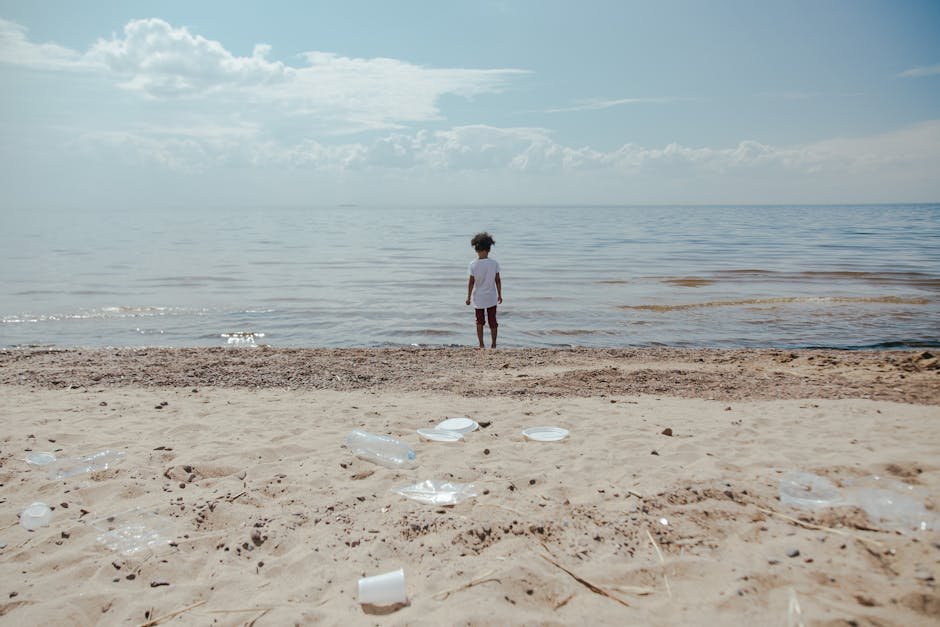
Our beautiful California coastlines, from the chilly waters of Humboldt to the sunny sands of San Diego, are on the front lines. The plastics caught in currents off our shores aren’t just some faraway weird thing; they’re a direct threat to our environment. This gunk puts our awesome sea life in danger – all the kelp forests, the sea otters, the migrating whales. And it hurts our tourism, too. Because nobody wants a microplastic beach vacation, right?
We gotta get the word out. Art shows, like İstanbul Biennial, even called it “The Seventh Continent.” Wild, right? They’re using creative ways to make us really confront this plastic problem. Imagine a rep from that trash continent getting “invited” to a global event, just showing how much junk we make. It makes you really see it. That far-off plastic island? Super real.
We might not stare at it from our comfy beach towns. But that “Seventh Continent”? It’s getting bigger. Every single day. It’s an awful picture of a world where rainforests burn and oceans choke on plastic. Whether we visit or not, this planet is ours. But it’s also the world of the creatures trying to survive amidst our trash. Because if we want to share this place? We better get it. This trash-continent we built. It’s serious.
Quick Answers to Your Burning Questions
What’s the “Anthropocene” thing?
It’s just this idea for a new geological age. Humans? We’re the main players now, totally shaping Earth’s rocks and life. A huge, human-caused change to the planet.
How much plastic is in that Pacific trash pile?
Rough guess: 1.8 trillion pieces of plastic. That’s a huge area, about 3.5 million square kilometers. Think five Turkeys. That much junk.
Can tech actually clean up all the ocean plastic?
“The Ocean Cleanup” and others are trying with tech solutions. But honestly? Even if we had, like, 60 more systems just for that one big patch, they figure only half the plastic might be gone in five years. And that’s not even counting all the fresh plastic we keep dumping in the ocean every single day.