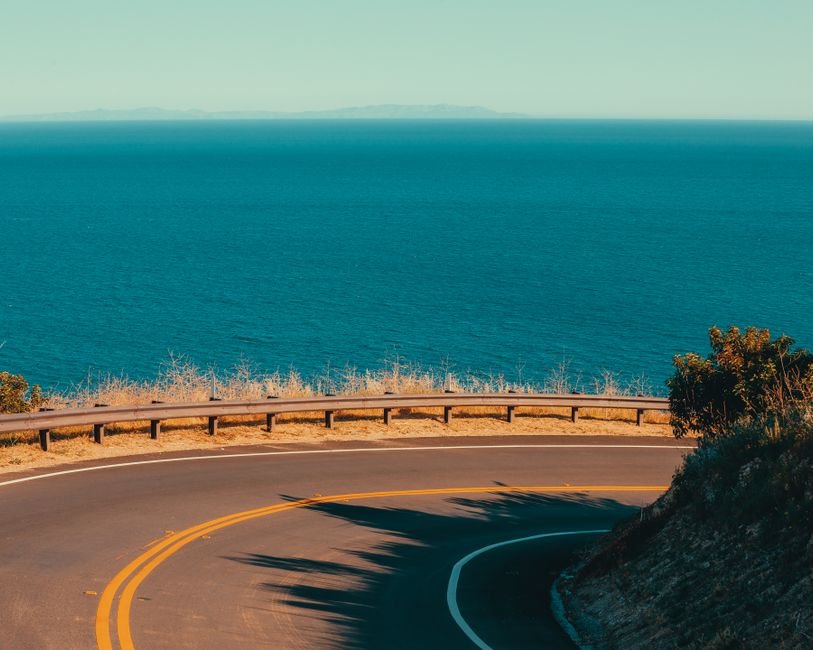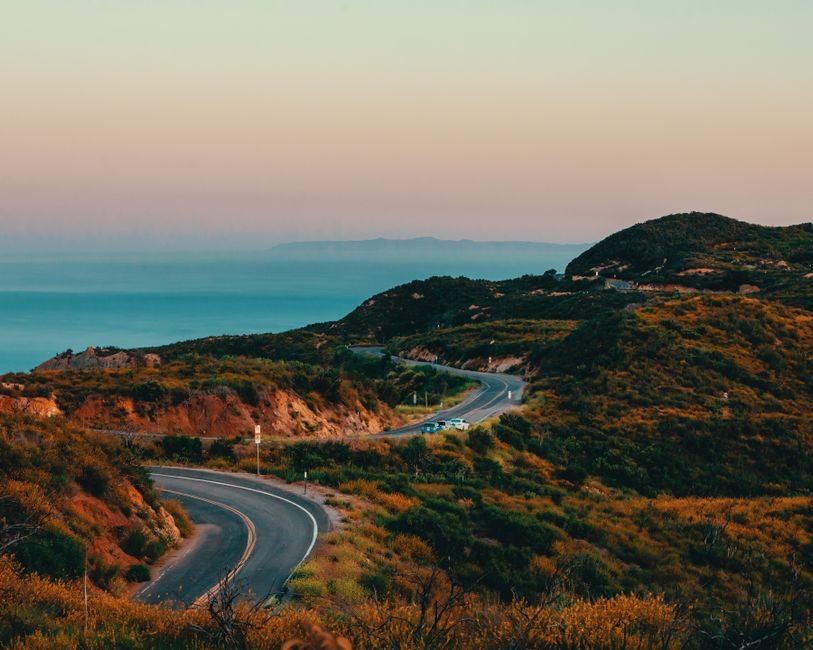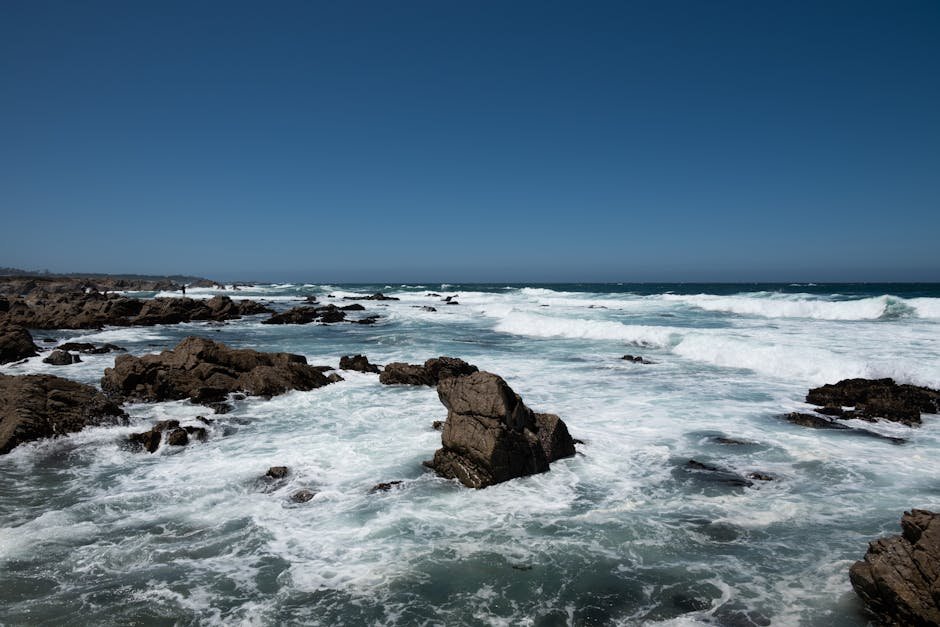
Seen those crazy bright blue skies over Malibu? Or that deep, deep sapphire Pacific out past Big Sur? Not a lucky shot. California blue travel just nails it every time. Seriously. It’s a visual knockout, hitting something deep inside us. What’s the deal? Blue isn’t just a nice background. Nope. It’s the most liked color, globally. Across ages, cultures, you name it. And there are some solid reasons why. So, yeah, turns out, we’re all hella obsessed with blue. The whole planet. Us folks here, too.
Blue: The Undisputed Reigning Champ of Colors
Seriously, ask anyone their favorite color. My money’s on blue. Not just a gut feeling. Surveys back that up. Decades of data, actually. Back in ’83, a crayon company asked kids their pick. Blue totally took the crown. Four shades in the top ten! Seven years later, same survey. Classic blue. Still number one. But this time? Six different shades of blue. Even ‘Blizzard Blue.’ Made the top ten. A strong blue vibe. Even for the young ones. And another thing: academics like Lauren Labrecque at URI? Not surprised. She calls it. Predicts it. “Once we’re adults, we all love blue,” she says. A global thing. YouGov surveys, ten countries. Europe to Australia. Even China. Blue just crushes it.
It’s Not Innate: Your Blue Preference is Built on Experience
Our blue obsession? Not some default setting. Nope. It’s shaped. By our lives, our experiences, the whole wide world. That’s Ecological Valence Theory right there. Karen Schloss, a psych prof at UW-Madison, and her crew came up with it. And another thing: their research shows colors aren’t neutral. Not at all. We’re totally biased. What we like or hate about a shade? It’s stuffed with meanings from our past. Schloss spells it out simply: “Think of color preferences as a summary of your experiences with that color. Your usual daily experiences in the world influence this judgment.” Picture this. Volunteers saw colored squares. Then rated them. Soon after, they saw images, good ones (like red strawberries) or bad ones (green vomit). Their color preferences shifted. Towards the good colors. Pretty wild. While it didn’t stick forever in the lab, these tests totally show how real-world stuff keeps changing how we see colors.
From Bright Hues to Deeper Tones: How Color Preferences Evolve
Ask a kid their favorite color? You get a total mix. Babies? Kinda all over the place. Often like lighter stuff though. But as they get older, with all the colors they see and connect to, specific favorites pop up. Think bright oranges. Yellows, pinks. They connect those zippy shades with happy feelings. Take kid drawings: good guys get nice colors. The bad guys? Usually black. And societal pressure? A huge deal. Girls often go for pink, clothes and toys. Boys? Blue. (But yeah, some kids like pink anyway. Good for them.) Teen years? Supposedly darker colors. But tough to say for sure academically. What we do really see? Adults all head towards blue. It’s like a giant magnet.
The Sky, The Ocean, The Mountains: Nature’s Blue Masterclass
Right, so. What do we see when grow up? The sky. Big. Open. Blue. Even when sunrises and sunsets get all dramatic, painting it fiery, blue’s still in charge up there. Totally not a fluke. The blue wavelength in sunlight just scatters way more. Ten times more. Then there’s the ocean. Most folks, anywhere, live near some water. Look down, different blue. Not just the sky reflecting. Water actually eats up other colors, spits back just the blue light. Distant mountains? Blue often. So, yeah, no wonder we love blue. We’re drenched in it, constantly. And another thing: from space? Earth’s the “Blue Planet.” That’s a strong vibe.
Why We Ditch Brown: The Unwanted Color
Alright, blue’s the star. The world’s fave. So, who’s the least favorite? Brown. Specifically, that deep, yellowish brown. Why the global snub? Evolutionary Valence Theory says we just link brown with bad things. Think about it. A banana gone bad. Yellowish-brown. Or waste products. Gross stuff. Yep, brown. Those unconscious, kinda nasty links? They’re why brown rarely lands on anyone’s ‘favorites’ list. Ever.
A Personal Palette: The Subjectivity of Color Perception
But listen. Trends are plain to see. Still, personal biases? Super powerful. Your color perception, what you like? Deeply personal. A mirror of your unique story. Your biases. Every single real-world thing you’ve been through. No two people see their ‘favorite’ blue just alike. Never. Because no two people have lived the exact same life. Simple as that.
Beyond Science: How Thinkers Explored Color’s Impact
Our color fascination? Goes way beyond just modern psychology labs. Isaac Newton, the big physics guy, he studied color. Systematically. But poets, writers, even philosophers got deep into it too. Carl Jung, that Swiss psychiatrist? He explored color psychology big time. Even Goethe, the German writer, he wrote a book on color theory. Goethe, in 1840, said, “As the sky above and the mountains in the distance appear blue, a blue surface appears to be moving away from us.” Amazing, right? Two centuries later, Ecological Valence Theory totally backs him up. Confirms the deep connection between colors and our experiences. So next time you’re soaking up those blue skies and sapphire waters – you know, the stuff that makes California blue travel so popular, why people flood here – remember this. You’re not just seeing a pretty color. Nope. It’s a deep, universal thing. Shaped by thousands of years of us interacting with the main color of our planet. Our home.
Frequently Asked Questions
Is blue really the most preferred color globally?
Yep. Tons of global surveys — YouGov and others, studies across cultures — all consistently show blue. Most preferred. Across all ages and places. And even in China, where red’s usually lucky, blue still gets picked as a top favorite.
Do kids’ color faves change as they get older?
Totally. Babies? Kinda all over the place. Often like brighter stuff though. But as kids grow up, they get specific favorites. Might start with vibrant oranges or pinks. But then, into teens and adulthood, things shift. Usually towards deeper, particular tones. Many land on blue. Lots of reasons for that.
So, why is brown usually the least favorite color?
The Ecological Valence Theory blames negative real-world memories. Seriously. Brown is usually tied to gross stuff. Think rotting food. Spoiled produce. Waste. Decay. All those unconscious, seriously negative associations? They cause that universal dislike for brown. It’s just ingrained.